
8 Ways to Extend CNC Tool Life
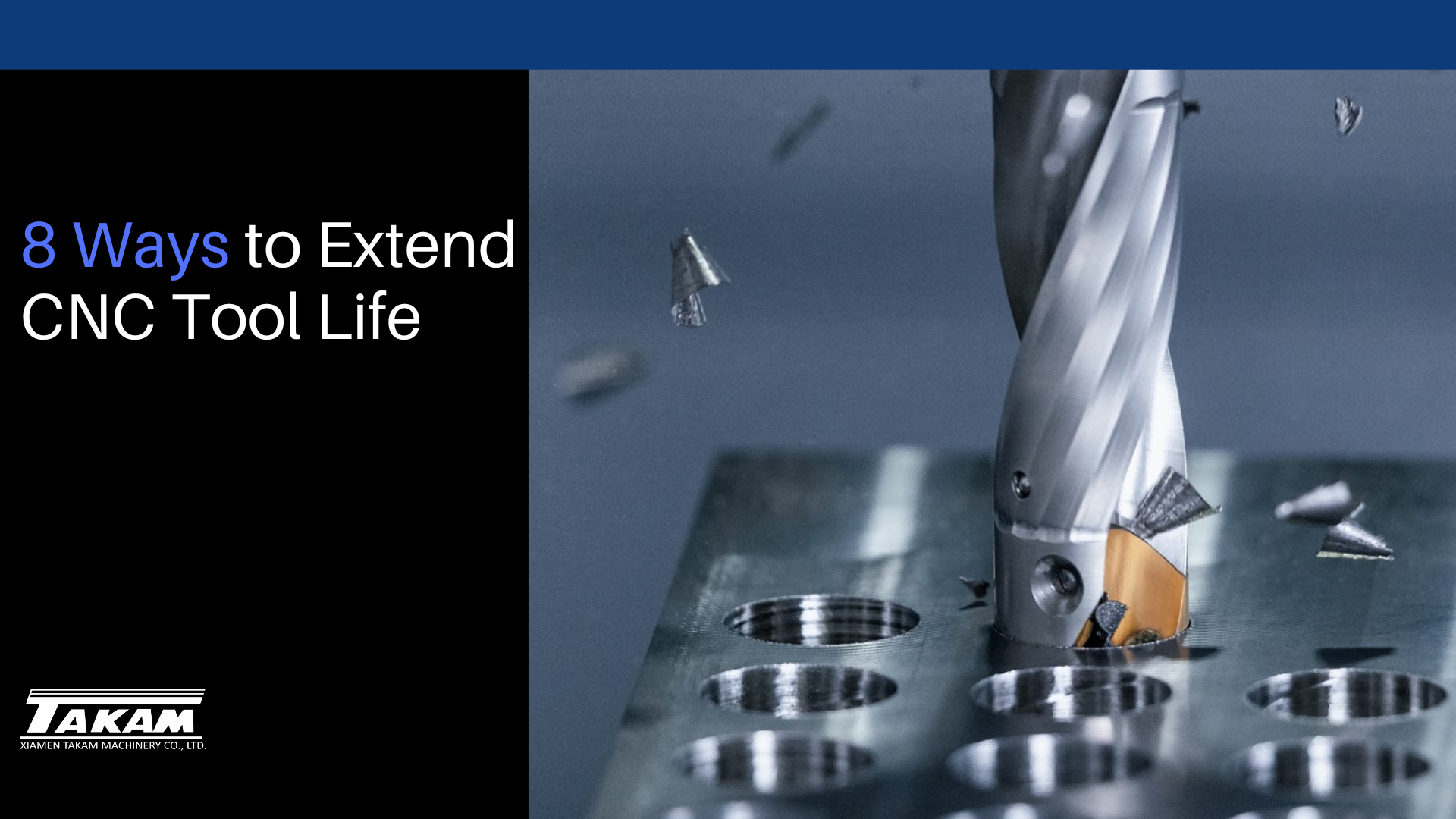
Why Extend Tool Life?
Extending tool life is paramount in manufacturing for cost efficiency, productivity, and maintaining quality. By prolonging the lifespan of cutting tools, businesses can minimize expenses associated with tool replacements, reduce downtime, ensure consistent product quality, enhance machine reliability, promote safety, and contribute to environmental sustainability. Ultimately, extending tool life equips manufacturers with a competitive edge, enabling them to deliver high-quality products efficiently while optimizing operational resources.
Certainly, here are eight specific ways to extend the life of CNC (Computer Numerical Control) tools:
Proper Tool Setup and Maintenance: Ensure tools are properly installed, secured, and calibrated according to manufacturer specifications. Regularly inspect tools for signs of wear, damage, or misalignment, and perform routine maintenance tasks such as cleaning, lubricating, and replacing worn parts as needed.
Optimized Cutting Parameters: Adjust cutting parameters such as spindle speed, feed rate, and depth of cut to optimize material removal rates while minimizing tool wear. Use CNC machining software to simulate and optimize cutting conditions for maximum efficiency and tool life.
Coolant and Lubrication: Use appropriate cutting fluids or coolant to dissipate heat, reduce friction, and flush away chips during machining operations. Proper lubrication helps to prevent tool wear and prolong tool life by reducing heat buildup and friction between the tool and workpiece.
Tool Coatings and Materials: Choose high-quality tools with advanced coatings such as TiN (Titanium Nitride), TiCN (Titanium Carbonitride), TiAlN (Titanium Aluminum Nitride), or DLC (Diamond-Like Carbon) to enhance wear resistance and prolong tool life. Select tools made from high-performance materials such as carbide, cermet, or ceramic for increased durability and longevity.
Optimized Toolpaths: Use CAM (Computer-Aided Manufacturing) software to generate optimized toolpaths that minimize tool engagement, reduce cutting forces, and avoid sudden changes in direction or acceleration. Smooth, consistent toolpaths help to minimize tool wear and extend tool life by reducing stress and wear on cutting edges.
Tool Monitoring and Maintenance Systems: Implement tool monitoring systems or sensors to track tool condition in real-time and detect signs of wear, damage, or tool breakage during machining operations. Use predictive maintenance techniques to schedule tool changes or maintenance tasks proactively based on actual usage and wear patterns.
Workpiece Fixturing and Support: Ensure workpieces are securely clamped or fixtured to minimize vibration, deflection, and tool chatter during machining. Use stable and rigid workholding devices and support structures to provide adequate support and damping, reducing the risk of tool wear and premature failure.
Operator Training and Skill Development: Provide comprehensive training and ongoing education for CNC machine operators on proper tool handling, maintenance procedures, and troubleshooting techniques. Empower operators to recognize early signs of tool wear or damage and take corrective action to minimize downtime and maximize tool life.
By implementing these strategies, CNC machine shops can effectively extend the life of their tools, reduce tooling costs, and improve overall machining efficiency and productivity.
Basic knowledge of CNC milling machines
How important is milling machine processing?