A Machine for Milling Vertical is the Ideal Choice for Metal Shaping
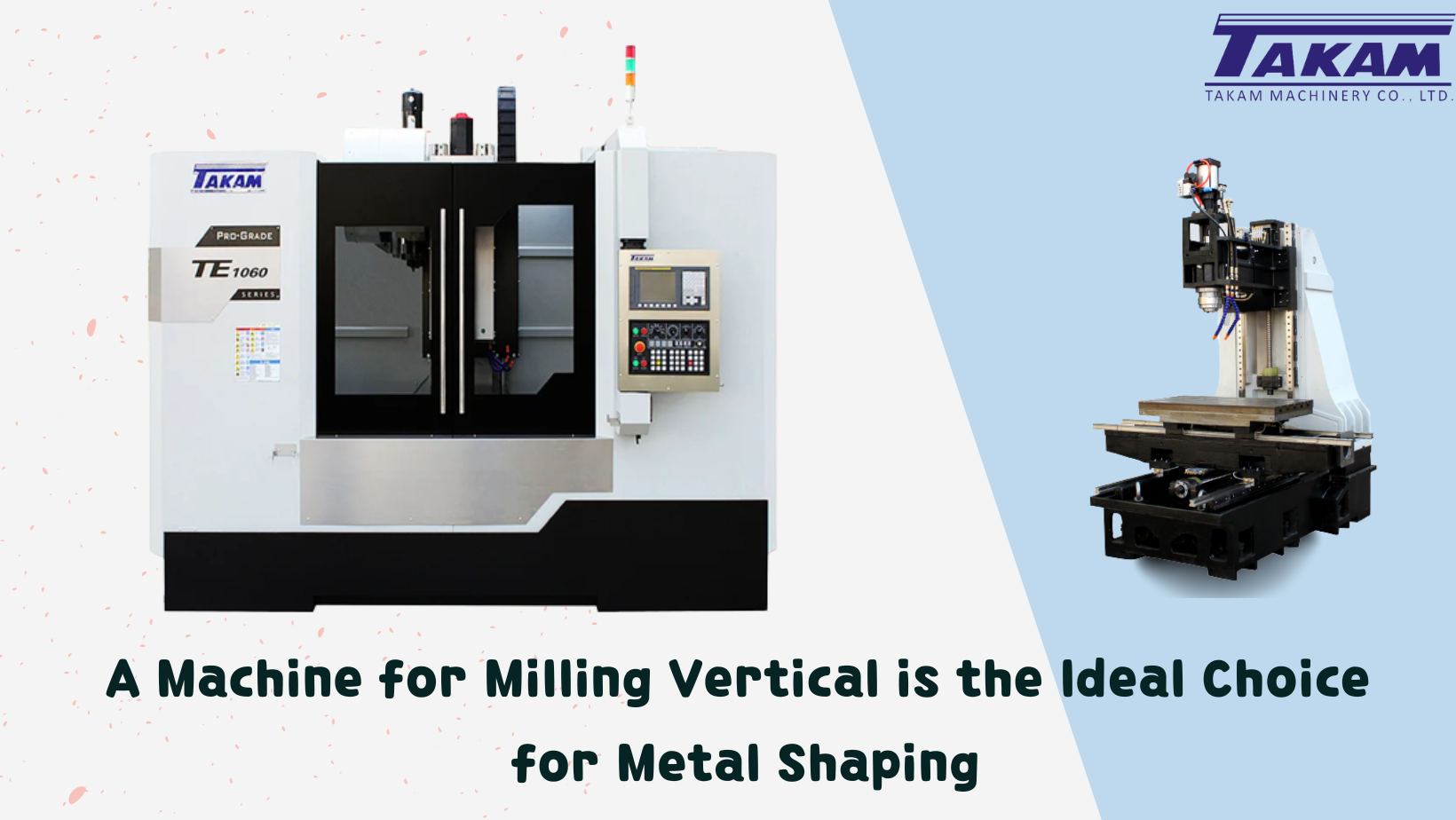
A vertical milling machine is indeed a versatile and often preferred choice for metal shaping in various manufacturing and machining applications. Here are several reasons why a vertical milling machine is considered an ideal choice for milling operations:
Versatility:
Vertical milling machines can perform a wide range of milling operations, including face milling, end milling, drilling, tapping, and other processes. This versatility makes them suitable for diverse machining tasks.
Ease of Use:
Vertical mills are generally easier to set up and operate compared to horizontal mills. The workpiece is secured on a vertically oriented table, simplifying the alignment and fixturing processes.
Rigidity and Stability:
Vertical mills typically offer good rigidity and stability, which is crucial for achieving precision and maintaining accuracy during metal shaping operations.
Gravity-Assisted Chip Evacuation:
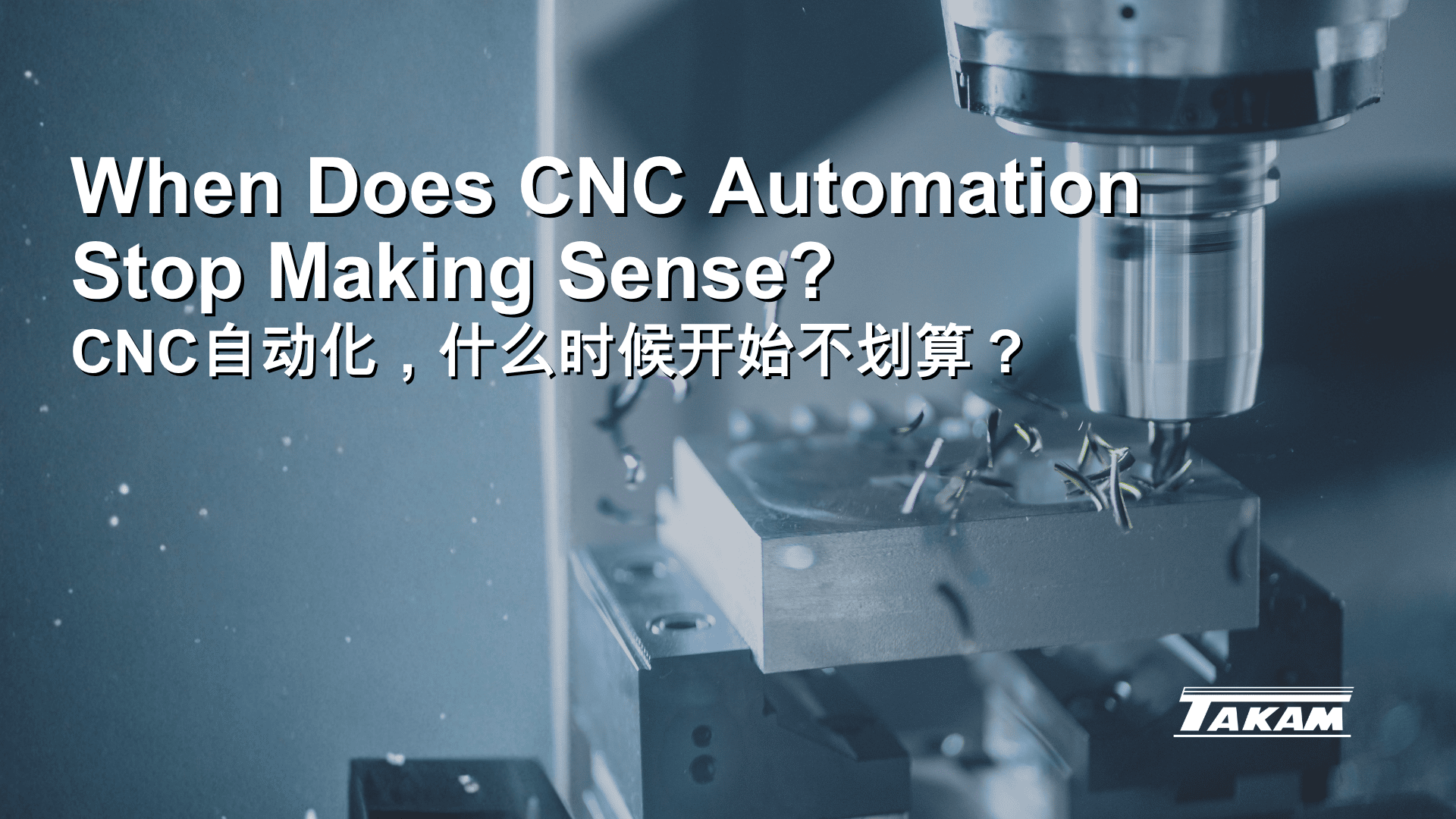
The vertical orientation of the spindle allows for gravity-assisted chip evacuation. Chips generated during the machining process naturally fall away from the workpiece, reducing the risk of chip buildup and improving cutting efficiency.
Space Efficiency:
Vertical milling machines often have a smaller footprint than their horizontal counterparts, making them suitable for workshops with limited space.
Cost Efficiency:
Vertical mills are often more cost-effective than horizontal mills, both in terms of initial investment and maintenance costs. This can be advantageous for smaller machining shops or businesses with budget constraints.
Tool Access and Visibility:
The vertical spindle orientation provides better visibility and access to the cutting tool and workpiece. This makes it easier for operators to monitor the machining process and make adjustments as needed.
Ideal for Single-Surface Operations:
Vertical mills excel at operations that involve working on a single surface of the workpiece, such as face milling or end milling. They are well-suited for tasks where depth is the primary dimension.
CNC Capabilities:
Many vertical milling machines are equipped with CNC (Computer Numerical Control) capabilities, allowing for automated and precise control of the machining process. CNC vertical mills are widely used in modern manufacturing.
Compatibility with Rotary Tables:
Vertical milling machines can easily accommodate rotary tables, allowing for additional versatility in machining complex shapes and contours.
While vertical milling machines have many advantages, the choice between vertical and horizontal mills ultimately depends on the specific requirements of the machining task and the preferences of the machinist or manufacturer. Both types of mills have their own set of advantages, and the decision should consider factors such as the type of work, available space, and budget constraints.
Is CNC Milling Wood a Good Idea?
Lathe Machine vs Mill