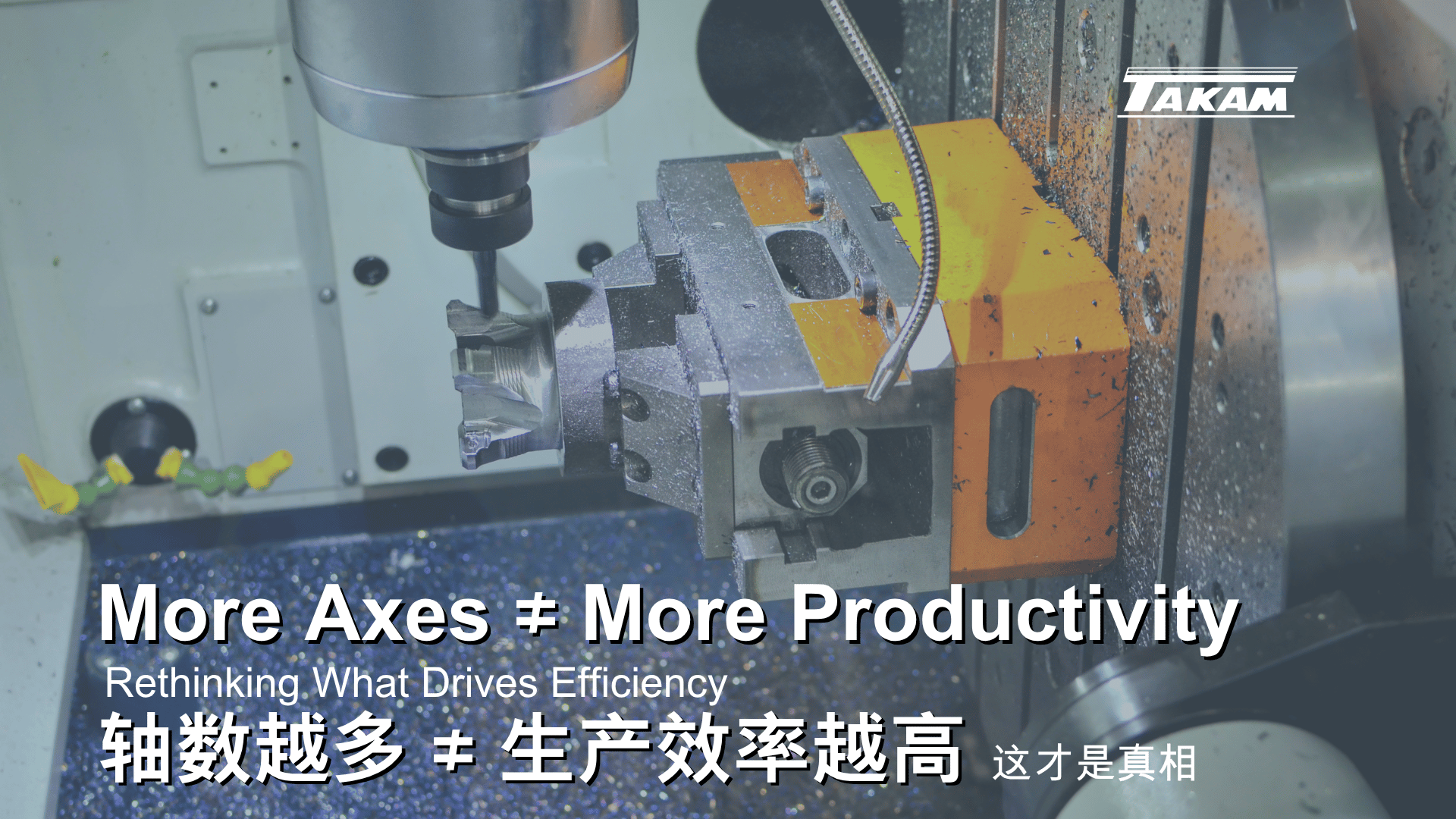
Applications of CNC Horizontal Machining Centers in the Aerospace and Automotive Industries

CNC horizontal machining centers (HMCs) play an indispensable role in the aerospace and automotive industries due to their high efficiency, precision, and superior stability. These industries have extremely high demands for product quality and machining accuracy, making HMCs ideal for meeting these requirements. This article explores the primary applications of CNC horizontal machining centers in the aerospace and automotive industries and the benefits they bring.
1. Applications in the Aerospace Industry
In the aerospace industry, the quality and precision of parts are paramount, making CNC horizontal machining centers an ideal choice. Key applications include:
- Complex Shape Part Machining: Aerospace parts often have complex geometries. The multi-axis control capabilities of CNC horizontal machining centers allow for efficient machining of various shapes, such as engine casings, wing supports, and other structural components.
- High Precision Machining: Aerospace components require micron-level precision. CNC horizontal machining centers offer high rigidity and stable cutting performance, ensuring that parts maintain a high degree of dimensional consistency during machining.
- Material Machining: Aerospace materials like titanium alloys and high-strength steels have high hardness, making them difficult to machine with traditional methods. CNC horizontal machining centers can provide the necessary cutting force and cooling effects to effectively handle these challenging materials.
- Mold Manufacturing: The aerospace industry requires a large number of molds to produce various components. The high precision and multifunctionality of CNC horizontal machining centers make them ideal for mold manufacturing, enabling multiple processes to be completed in a single setup, saving time and increasing production efficiency.
2. Applications in the Automotive Industry
In the automotive industry, CNC horizontal machining centers also play a critical role, with key applications including:
- Mass Production: The automotive industry requires the production of numerous parts, such as engine components, transmissions, and chassis parts. CNC horizontal machining centers feature high efficiency and rapid tool change systems to meet high production demands, ensuring a stable production rhythm.
- Part Precision Requirements: The precision of automotive components is crucial for overall vehicle performance. CNC horizontal machining centers maintain high precision during the machining process, ensuring that each part meets design specifications, which enhances vehicle safety and stability.
- Multi-Process Machining: Many automotive parts require multiple operations to complete. The multifunctionality of CNC horizontal machining centers allows them to perform several processes in a single setup, significantly reducing machining time and improving workflow efficiency.
- Material Diversity: The automotive industry uses a wide variety of materials, including steel, aluminum alloys, and plastics. The adaptability of CNC horizontal machining centers allows them to process various materials, meeting the diverse needs of automotive manufacturing.
3. Advantages of CNC Horizontal Machining Centers
The application of CNC horizontal machining centers in the aerospace and automotive industries offers several advantages:
- Increased Production Efficiency: CNC horizontal machining centers provide high cutting speeds and automated operations, significantly enhancing production efficiency.
- Reduced Production Costs: By minimizing setup times and maximizing tool utilization, CNC horizontal machining centers can effectively lower production costs.
- Improved Product Quality: The high precision machining capabilities and stable operation of HMCs lead to significant improvements in product quality, reducing the occurrence of defects.
- Flexibility and Adaptability: CNC horizontal machining centers can quickly adjust machining parameters to accommodate different types and materials of workpieces, satisfying the ever-changing demands of the aerospace and automotive industries.
Conclusion
The application of CNC horizontal machining centers in the aerospace and automotive industries not only enhances production efficiency and product quality but also promotes innovation and development within these sectors. As technology continues to advance, CNC horizontal machining centers will play an increasingly significant role in future manufacturing processes, serving as essential tools for driving upgrades in the aerospace and automotive industries. For companies seeking efficient and precise machining solutions, CNC horizontal machining centers are undoubtedly key to enhancing competitiveness.
At Takam Machinery, we offer a range of CNC horizontal machining centers, including the TW Series, which can be equipped with dual worktables as part of the TW APC Series. This flexibility further enhances the efficiency of your production processes, making our machines a perfect fit for your aerospace and automotive manufacturing needs.
How CNC Machine Tools Support Sustainable and Green Manufacturing
Choosing the Right CNC Lathe: Analyzing Key Indicators of Spindle, Turret, and Servo System