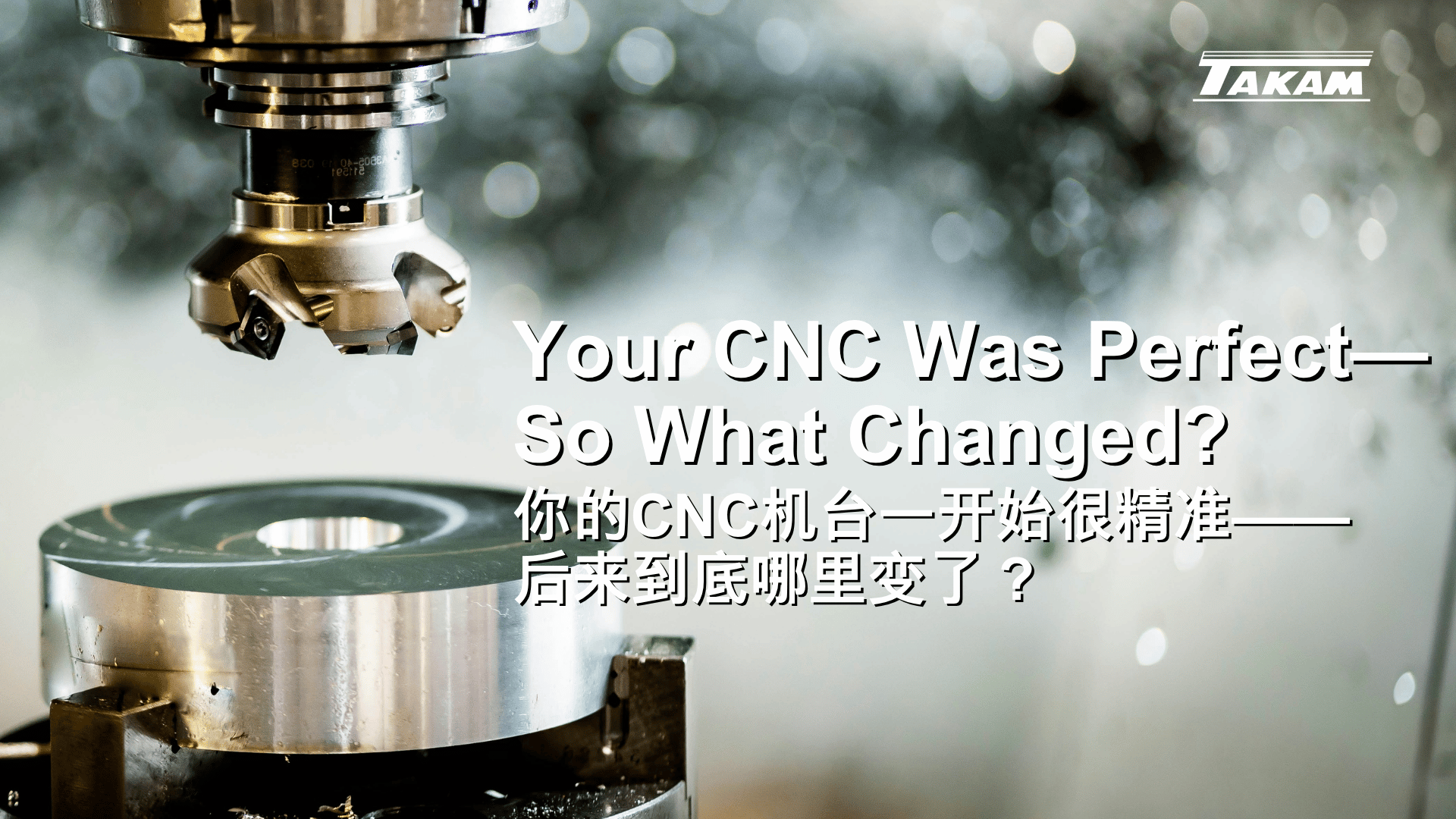
What Type of CNC Coolant Should I Use?

The selection of CNC coolant, also known as cutting fluid or metalworking fluid, depends on several factors, including the machining process, material being machined, and the type of CNC machine.
Coolants play a crucial role in machining by dissipating heat, lubricating the cutting tool, and improving the surface finish of the workpiece.
Here are some common types of CNC coolants and considerations for their use:
Water-Soluble Coolants:
Composition: These coolants are typically mixed with water.
Advantages: Good heat dissipation, lubrication, and chip evacuation. They are versatile and cost-effective.
Applications: Suitable for a wide range of materials and machining operations.
Considerations: Regular maintenance and monitoring of concentration levels are necessary to prevent bacterial growth.
Synthetic Coolants:
Composition: Fully synthetic (man-made) fluids.
Advantages: Long tool life, excellent cooling, and lubrication properties. Resistant to bacterial growth.
Applications: Ideal for high-speed machining and operations on difficult-to-machine materials.
Considerations: Relatively higher cost compared to water-soluble coolants.
Semi-Synthetic Coolants:
Composition: Blend of synthetic and mineral oils with water.
Advantages: Combines benefits of both synthetic and soluble oils. Good cooling and lubrication properties.
Applications: Versatile and suitable for various machining operations.
Considerations: Monitoring and maintenance are still required, but less than with water-soluble coolants.
Straight Oils:
Composition: Mineral or petroleum-based oils.
Advantages: Excellent lubrication for heavy-duty machining. No water dilution.
Applications: Suitable for operations where cooling is not the primary concern, such as threading and tapping.
Considerations: Can lead to poor chip evacuation and may require additional cleaning.
Aerosol Coolants:
Composition: Delivered as a mist or aerosol.
Advantages: Minimal fluid usage, good for heat dissipation.
Applications: Small or precise machining operations.
Considerations: Limited to certain applications, and may require careful control to prevent overuse.
High-Pressure Coolant (HPC):
Composition: Can be water-soluble or oil-based.
Advantages: Delivered at high pressure for improved chip evacuation and cooling.
Applications: High-speed machining, deep-hole drilling, and other demanding operations.
Considerations: Requires specialized equipment and may have higher maintenance needs.
When selecting a CNC coolant, it's essential to consider the specific requirements of your machining applications, the materials being processed, and any environmental or health considerations.
Consult with the coolant supplier and follow the machine manufacturer's recommendations for coolant type and concentration levels.
Regular monitoring of coolant conditions, including pH and concentration, is crucial for maintaining optimal performance and preventing issues such as bacterial growth or corrosion.
Turning Centers vs Lathes: The Differences Explained
BENEFITS OF COOLANT THROUGH THE SPINDLE ON VMC.