How hydraulic system works in CNC machines?
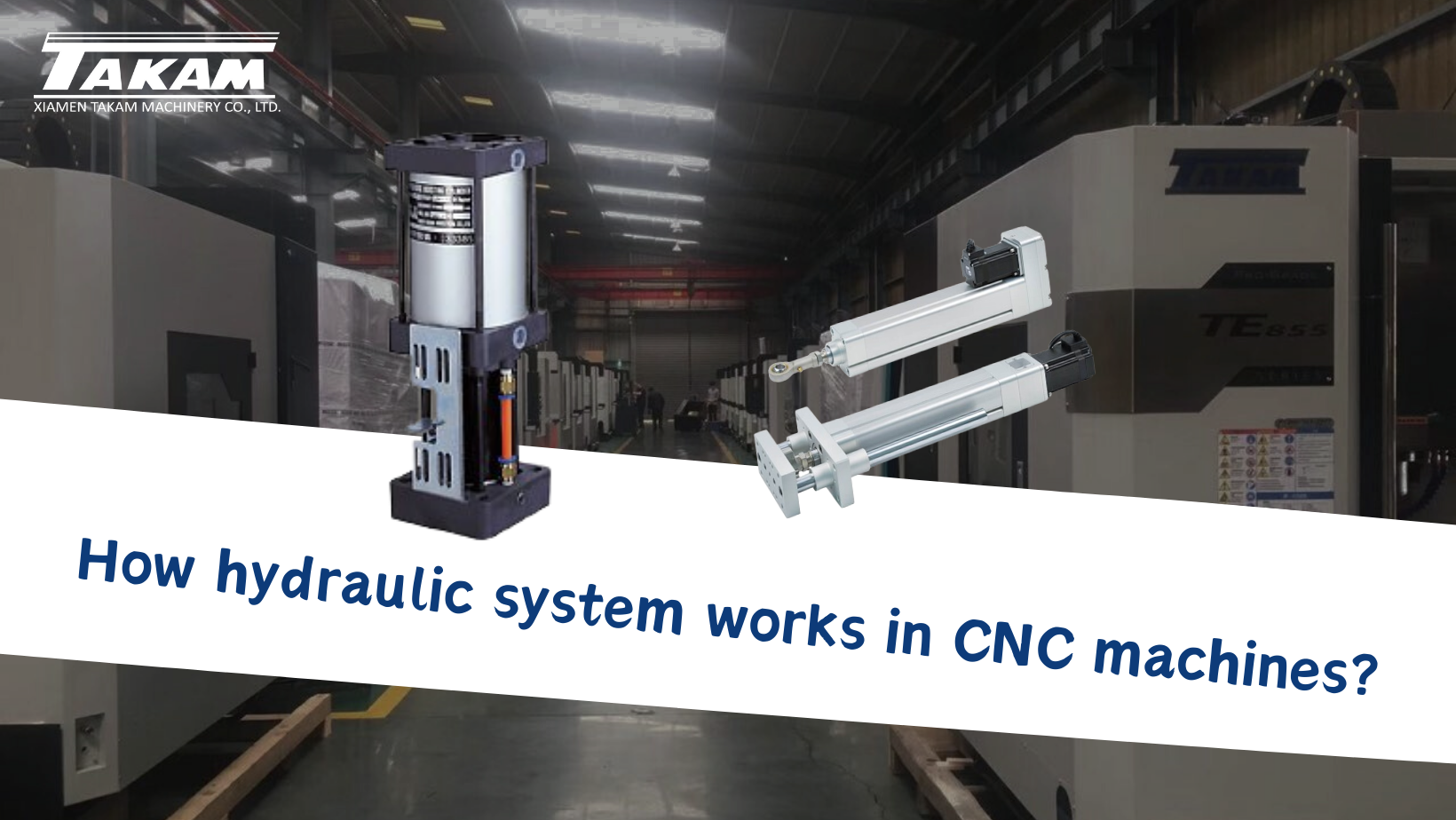
Hydraulic systems in CNC (Computer Numerical Control) machines play a crucial role in providing power for various operations, including clamping, tool changing, and movement of machine components.
Here's how a typical hydraulic system works in CNC machines:
Hydraulic Pump: The system starts with a hydraulic pump, which is usually powered by an electric motor. The pump pressurizes hydraulic fluid (often oil) to a high pressure. This pressurized fluid is what provides power to the hydraulic system.
Hydraulic Fluid: Hydraulic fluid is essential for transmitting power in the hydraulic system. It is typically a specially formulated oil designed to withstand high pressures and temperatures while providing lubrication to the system's components.
Valves and Control Components: Hydraulic systems use various valves and control components to regulate the flow and pressure of hydraulic fluid. Directional control valves determine the direction of fluid flow, while pressure control valves maintain the desired pressure levels within the system.
Actuators: In CNC machines, hydraulic actuators are used to convert hydraulic power into mechanical motion. These actuators can be cylinders or motors that utilize the pressurized fluid to generate linear or rotary motion. For example, hydraulic cylinders may be used to clamp workpieces or move machine components such as tool holders or cutting heads.
Hydraulic Lines: Hydraulic fluid is transported between components through a network of hydraulic lines or hoses. These lines must be properly sized and connected to ensure efficient transmission of hydraulic power without leakage.
Control System Integration: In modern CNC machines, the hydraulic system is typically integrated with the overall control system. This integration allows for precise control of hydraulic functions through the machine's computerized interface. Operators can program specific hydraulic actions to occur at precise times during the machining process.
Safety Features: Hydraulic systems in CNC machines often include safety features such as pressure relief valves to prevent over-pressurization and burst protection in case of system failure. Proper maintenance and periodic inspection of hydraulic components are also essential to ensure safe and reliable operation.
Overall, hydraulic systems in CNC machines provide the power necessary to perform various machining operations accurately and efficiently, contributing to the overall performance and productivity of the equipment.
BENEFITS OF COOLANT THROUGH THE SPINDLE ON VMC.
CNC Tool Holders: What are They and What are the Different Types?