The Advantages of CNC Machines: Enhancing Safety and Reliability
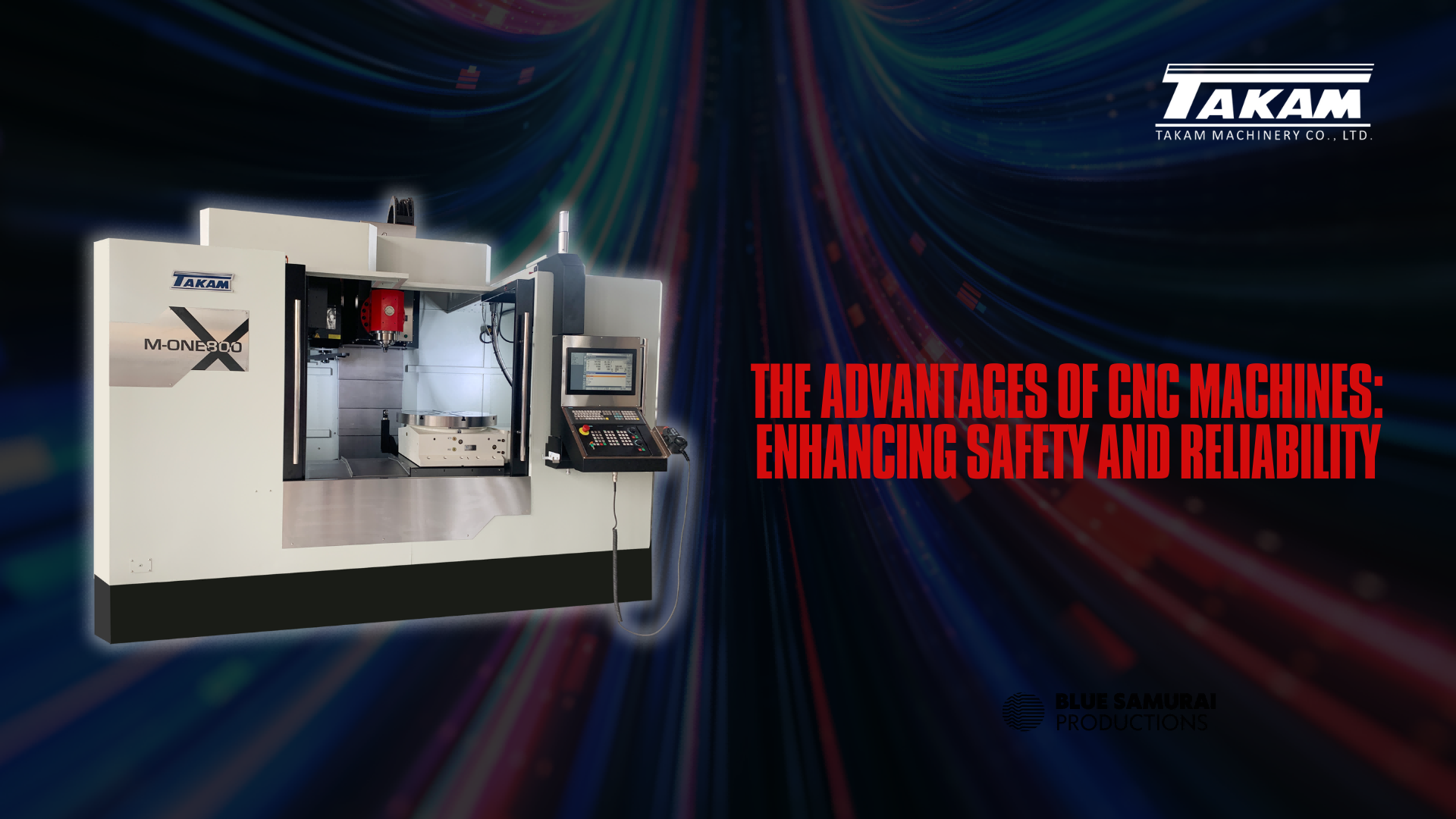
In the realm of manufacturing and machining, Computer Numerical Control (CNC) machines have revolutionized the way industries operate. These sophisticated devices, driven by computer programs, offer numerous benefits over traditional manual machining processes. One key advantage lies in the enhanced safety and reliability they bring to the manufacturing floor.
Minimized Human Error
One of the most significant advantages of CNC machines is the reduction of human error in manufacturing processes. Unlike manual machining, where precision heavily relies on operator skill and concentration, CNC machines operate based on programmed instructions. This automation minimizes the likelihood of errors caused by fatigue, distraction, or inconsistency in skill level among operators.
CNC machines execute tasks with unparalleled accuracy and repeatability. Once programmed, they can reproduce identical parts or components repeatedly, ensuring consistency in quality and dimensions. This level of precision not only improves product quality but also reduces material waste and the need for rework.
Improved Operator Safety
Traditional machining processes often expose operators to hazardous conditions, including sharp tools, high temperatures, and flying debris. CNC machines mitigate these risks significantly. Operators interact with CNC equipment primarily during setup and programming, reducing direct exposure to potentially dangerous operations.
CNC machines are equipped with numerous safety features, such as emergency stops, protective enclosures, and automatic tool changers, further enhancing operator safety. These safety mechanisms not only protect the machine's users but also contribute to a more secure and controlled manufacturing environment.
Predictable Performance and Reliability
Reliability is another hallmark of CNC machines. Once a program is tested and verified, the machine reliably executes operations as instructed, ensuring predictable performance. This consistency is invaluable in industries where precision and efficiency are paramount.
Moreover, CNC machines can operate continuously with minimal downtime, maximizing productivity. Routine maintenance tasks, such as tool changes or calibration adjustments, can be programmed into production schedules, reducing unexpected interruptions and optimizing machine uptime.
Adaptability and Versatility
CNC machines offer unparalleled adaptability across a wide range of applications and industries. From cutting and milling to drilling and grinding, these machines can handle diverse tasks with ease. This versatility enables manufacturers to produce complex parts and prototypes efficiently and accurately.
Furthermore, CNC technology continues to evolve, with advancements in software and hardware expanding the capabilities of these machines. Modern CNC systems integrate seamlessly with computer-aided design (CAD) and computer-aided manufacturing (CAM) software, allowing for streamlined production workflows and rapid prototyping.
Conclusion
In conclusion, CNC machines represent a transformative force in modern manufacturing, offering substantial benefits in terms of safety, reliability, and efficiency. By minimizing human error, enhancing operator safety, ensuring predictable performance, and enabling versatile production capabilities, CNC machines empower industries to achieve new levels of precision and productivity.
As technology continues to advance, the role of CNC machines in manufacturing will undoubtedly expand, driving innovation and setting new standards for efficiency and quality. Embracing CNC technology is not just about adopting a new tool—it's about embracing a safer, more reliable, and more efficient approach to manufacturing in the digital age.
Exploring Applications of CNC Double Column Machine Centers in Aerospace and Automotive Industries
Advanced Machining Techniques: Navigating the Twin-Spindle Lathe