Automation and CNC Machine Tools: The Future of Unmanned Factories
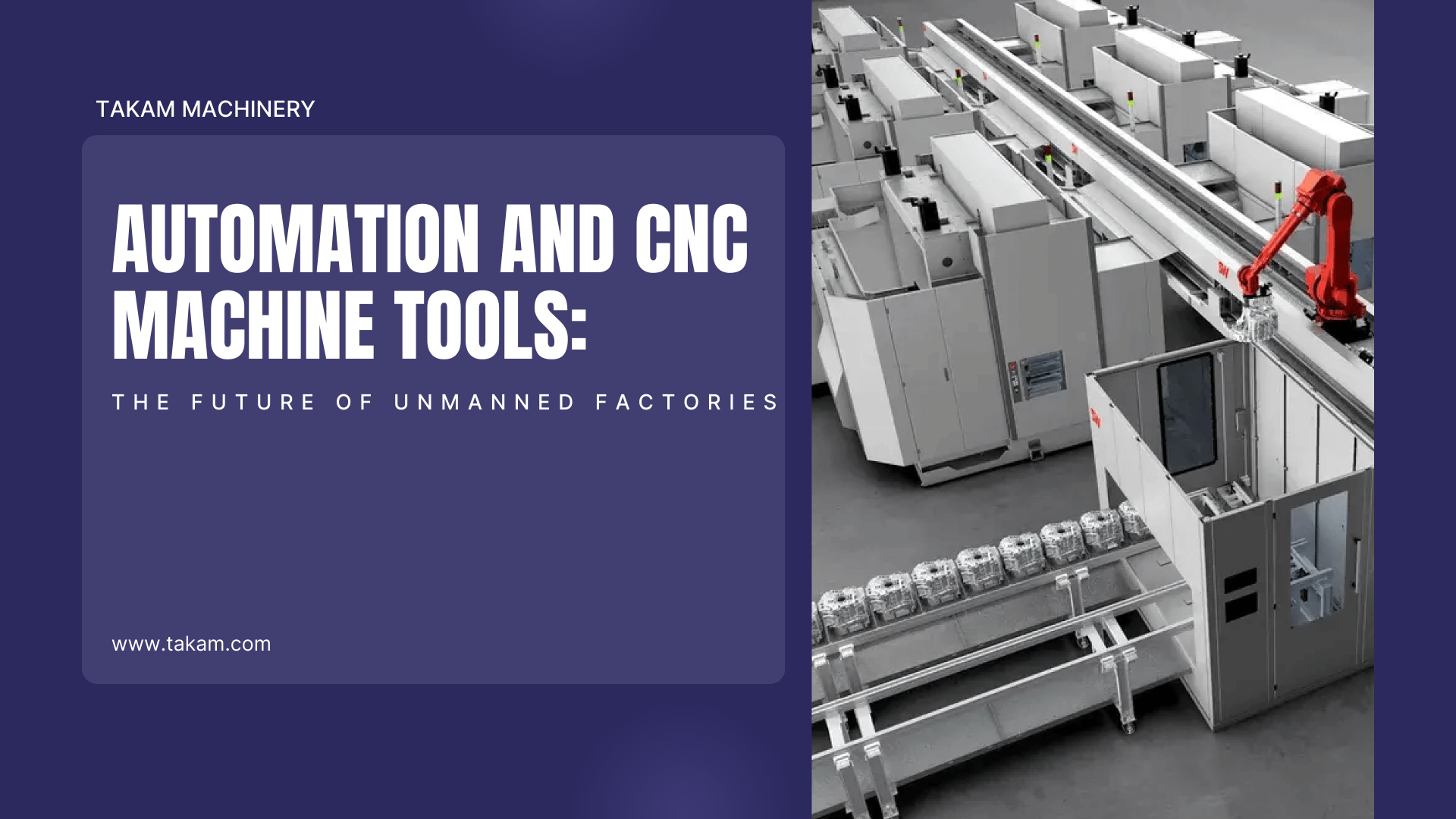
The manufacturing industry is on the brink of a revolution, driven by advancements in automation and CNC (Computer Numerical Control) machine tools. These innovations are paving the way for the next generation of production facilities: unmanned factories. This concept, where machines operate with minimal human intervention, is no longer a distant vision but an emerging reality that promises to reshape how goods are produced globally.
The Rise of Automation in Manufacturing
Automation has been transforming manufacturing for decades, but the integration of CNC machine tools has accelerated this shift. CNC machines, which are capable of executing precise operations based on pre-programmed instructions, have become the backbone of modern manufacturing. Their ability to produce complex components with high precision and consistency makes them indispensable in industries ranging from automotive to aerospace.
As automation technologies advance, CNC machines are increasingly being integrated into automated production lines. These lines can operate continuously, performing tasks such as cutting, drilling, milling, and turning without the need for manual oversight. The result is a significant reduction in labor costs, improved production speed, and enhanced product quality.
The Concept of Unmanned Factories
The concept of an unmanned factory extends beyond simple automation. It involves creating a fully autonomous production environment where machines and robots work together, monitored and controlled remotely by advanced software systems. In such factories, CNC machine tools play a critical role, performing the precise and repetitive tasks that human operators traditionally managed.
Unmanned factories rely on a combination of technologies, including industrial robots, automated guided vehicles (AGVs), and sophisticated CNC machines, all interconnected through the Internet of Things (IoT). These systems communicate in real time, allowing for seamless coordination and adaptation to production demands. For instance, if a machine detects a potential issue, it can autonomously adjust its operations or signal for maintenance, minimizing downtime and ensuring continuous production.
Benefits of Unmanned Factories
- Increased Efficiency: Unmanned factories operate 24/7 without breaks, significantly increasing production capacity. CNC machines, with their high precision and consistency, contribute to maintaining product quality even at high volumes.
- Cost Reduction: By minimizing human intervention, unmanned factories reduce labor costs, including wages, benefits, and training. Additionally, the reduction in human error leads to fewer defects and lower waste, further driving down costs.
- Enhanced Safety: Automation reduces the risk of workplace accidents by limiting human exposure to hazardous environments. In unmanned factories, CNC machines and robots handle dangerous tasks, ensuring a safer working environment.
- Flexibility and Scalability: Unmanned factories can quickly adapt to changes in production requirements. CNC machines can be reprogrammed to manufacture different components with minimal downtime, allowing for greater flexibility in meeting market demands.
- Data-Driven Decision Making: The integration of IoT and advanced analytics in unmanned factories enables real-time monitoring and data collection. This data can be used to optimize processes, predict maintenance needs, and make informed decisions that enhance overall efficiency.
Challenges and the Road Ahead
Despite the numerous advantages, the transition to unmanned factories is not without challenges. The initial investment in automation technology, including CNC machines, can be substantial. Additionally, the complexity of managing and maintaining a fully autonomous system requires specialized expertise, which may not be readily available in all regions.
Moreover, the shift towards unmanned factories raises concerns about job displacement. While automation creates opportunities for high-skilled jobs in programming, maintenance, and data analysis, it also reduces the demand for traditional manufacturing roles. Addressing this issue requires a balanced approach, including reskilling programs and policies that support workers affected by automation.
Conclusion
Unmanned factories represent the future of manufacturing, offering unprecedented levels of efficiency, cost savings, and safety. CNC machine tools are at the heart of this transformation, enabling precise and consistent production in an automated environment. As technology continues to evolve, the vision of a fully autonomous factory is becoming increasingly attainable, promising to revolutionize the way we produce goods and redefine the role of human labor in manufacturing.
Specialized Tapping Machine Center for Medical Device Manufacturing: Ensuring Precision and Compliance in a Critical Industry
The Future of Manufacturing: Integrating CNC Machine Tools with Artificial Intelligence