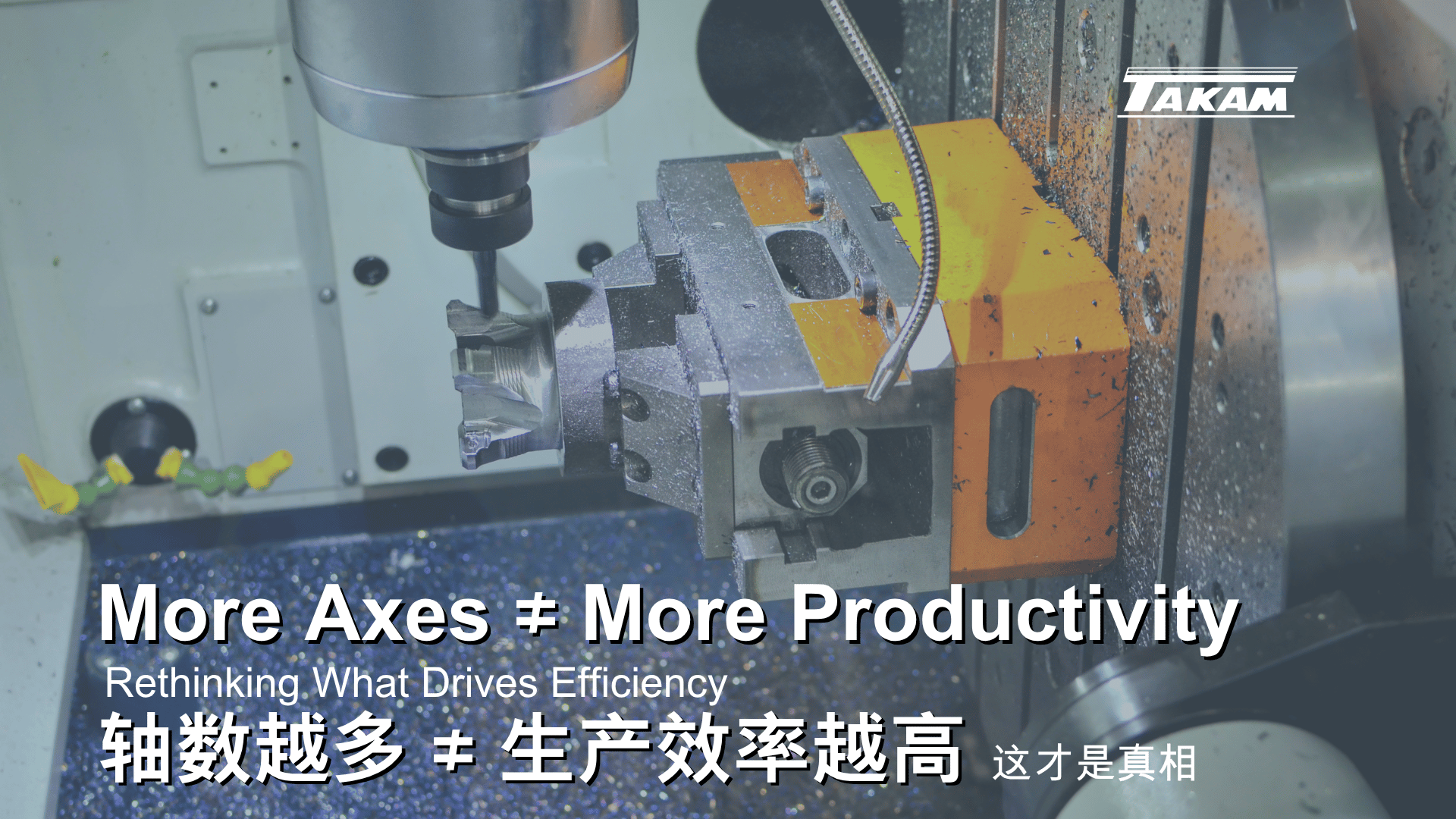
The Synergy of 3D Printing and CNC Machine Tools: A New Model for Innovative Manufacturing

In the rapidly evolving landscape of manufacturing, the integration of 3D printing and CNC (Computer Numerical Control) machine tools is emerging as a powerful combination that is redefining the boundaries of production capabilities. This synergy is driving the development of innovative manufacturing models, offering unprecedented flexibility, efficiency, and creativity. As industries seek to stay competitive and meet the demands of modern production, understanding how these technologies work together can provide valuable insights into the future of manufacturing.
The Strengths of 3D Printing and CNC Machine Tools
3D Printing, also known as additive manufacturing, involves creating objects layer by layer from a digital model. This technology excels in producing complex, customized parts with minimal material waste. Its strengths lie in rapid prototyping, design flexibility, and the ability to create intricate geometries that traditional manufacturing methods struggle to achieve.
CNC Machine Tools, on the other hand, involve subtractive manufacturing, where material is removed from a solid block to create precise components. CNC machines are known for their high precision, repeatability, and capability to handle a wide range of materials. They are ideal for producing parts that require tight tolerances and robust mechanical properties.
Combining 3D Printing and CNC: A Powerful Partnership
The collaboration between 3D printing and CNC machine tools offers a hybrid approach that leverages the strengths of both technologies. Here’s how their integration is transforming the manufacturing landscape:
- Enhanced Prototyping and Production: By using 3D printing for rapid prototyping and CNC machines for final production, manufacturers can streamline the development process. 3D printing allows for quick iterations and design changes, while CNC machining ensures that the final parts are produced with the precision and durability required for end-use applications.
- Complex Geometries and Functional Components: 3D printing can produce complex and intricate geometries that would be challenging to achieve with CNC alone. Once a part is printed, CNC machines can be used to refine and finish the part, adding details, smooth surfaces, and precise features that enhance its functionality and performance.
- Custom and Low-Volume Production: The combination of 3D printing and CNC machining is particularly effective for custom and low-volume production runs. 3D printing allows for the creation of custom designs and small batches with minimal setup costs, while CNC machining can be used for high-precision finishing or producing parts with specific material requirements.
- Material Optimization: 3D printing allows for the use of innovative materials and composites that may not be feasible with traditional CNC machining alone. After printing, CNC machines can refine these materials, ensuring they meet the necessary standards for strength, durability, and performance.
- Cost and Time Efficiency: Integrating 3D printing and CNC machining can lead to significant cost and time savings. 3D printing reduces the need for expensive tooling and setup, while CNC machining provides a high level of accuracy and efficiency for the final production stages. This combination can accelerate time-to-market and reduce overall manufacturing costs.
Real-World Applications
The synergy between 3D printing and CNC machine tools is already making a substantial impact across various industries:
- Aerospace: Aerospace manufacturers use 3D printing for complex, lightweight components and CNC machining for precision parts. This combination allows for the creation of highly optimized and efficient aircraft parts.
- Automotive: The automotive industry benefits from rapid prototyping and custom parts production using 3D printing, while CNC machining is employed for high-performance engine components and critical structural elements.
- Medical Devices: Custom implants and prosthetics can be produced using 3D printing, with CNC machines used for refining these components to meet stringent medical standards.
- Consumer Products: 3D printing enables rapid design iterations for consumer products, while CNC machining is used for mass production and high-quality finishing.
Future Directions
As technology continues to advance, the integration of 3D printing and CNC machining is expected to become even more sophisticated. Innovations such as multi-material 3D printing, advanced machine learning algorithms, and improved material sciences will further enhance the synergy between these technologies. Manufacturers will increasingly leverage this combination to push the boundaries of design and production, creating new opportunities for innovation and efficiency.
Conclusion
The collaboration between 3D printing and CNC machine tools represents a new paradigm in manufacturing, offering a versatile and powerful approach to production. By combining the rapid prototyping and design flexibility of 3D printing with the precision and material versatility of CNC machining, manufacturers can achieve unprecedented levels of efficiency, customization, and innovation. As these technologies continue to evolve, their integration will drive the future of manufacturing, enabling the creation of complex, high-performance components and pushing the limits of what is possible in production.
The Future of Manufacturing: Integrating CNC Machine Tools with Artificial Intelligence
The Role of CNC Machine Tools in Smart Transportation Systems