Maximizing CNC Machine Performance: The Essential Role of Automatic Lubricators
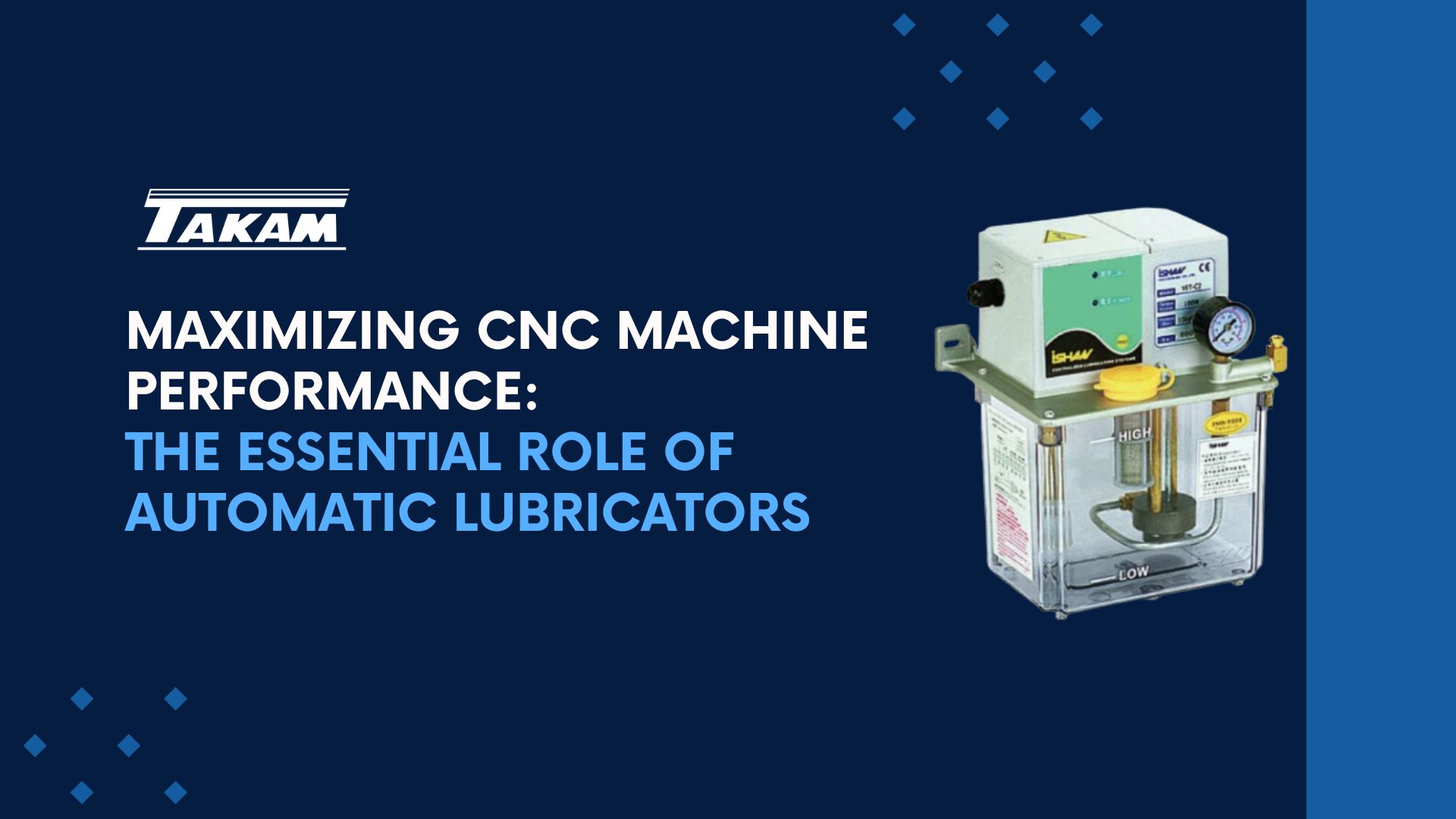
A CNC lubricator, also known as an automatic lubrication system, is specifically designed to ensure that moving parts within CNC machines receive proper lubrication. It's a critical component in CNC machines, helping to extend equipment lifespan, reduce maintenance costs, and keep the machine running efficiently. Here is an overview of the primary functions and benefits of CNC lubricators.
1. Functions of CNC Lubricators
When a CNC machine operates, components like linear guides, lead screws, and other moving parts generate friction, which can lead to wear and impact the machine’s accuracy and performance. CNC lubricators automatically and continuously deliver lubricant to necessary parts, reducing friction, preventing wear, and ensuring smooth operation.
2. Key Benefits of CNC Lubricators
- Extended Equipment Lifespan: Continuous lubrication reduces wear, allowing CNC machines to maintain peak performance over the long term.
- Lower Maintenance Costs: Automated lubrication decreases the likelihood of breakdowns caused by wear, reducing the need for repairs and part replacements.
- Improved Production Efficiency: Proper lubrication helps prevent parts from seizing, ensuring stable machine operation and minimizing production interruptions.
- Precise Control of Lubricant Quantity: CNC lubricators often allow automatic adjustment of lubrication amounts based on needs, preventing over-lubrication or under-lubrication.
3. Types of CNC Lubricators
Depending on the lubrication requirements and equipment type, CNC lubricators come in various designs:
- Single-Point Lubricators: Specifically target a single lubrication point, ideal for precision, small-scale machines.
- Multi-Point Lubrication Systems: Provide lubrication to multiple parts simultaneously, commonly used in large-scale machines or multi-axis equipment.
- Electric Lubricators: Powered by electricity, allowing precise control of lubrication timing and frequency.
- Pneumatic Lubricators: Suitable for equipment requiring broad-area lubrication, using air pressure to distribute the lubricant.
4. Choosing the Right CNC Lubricator
When selecting a lubricator, consider the characteristics and working environment of the machine. For example, equipment with heavy workloads may need a system with higher lubrication capabilities, while precision machining requires accurate control over lubrication amounts. A good lubrication system should be durable, precise, and easy to maintain.
5. Maintaining the CNC Lubrication System
To ensure the reliability of a CNC lubricator, regularly check the lubricant level, inspect hoses and nozzles for blockages, and clean filters. Also, perform scheduled maintenance according to the machine manufacturer's recommendations to extend the lubricator’s lifespan.
Though small, CNC lubricators play an essential role in maintaining the stability and productivity of CNC machines. In today’s automated manufacturing, CNC lubricators are indispensable.
Tool Technology and Material Selection in Tapping Machines
In-depth Exploration of CNC Machine Tools: The Core Power of Modern Manufacturing