In-depth Exploration of CNC Machine Tools: The Core Power of Modern Manufacturing
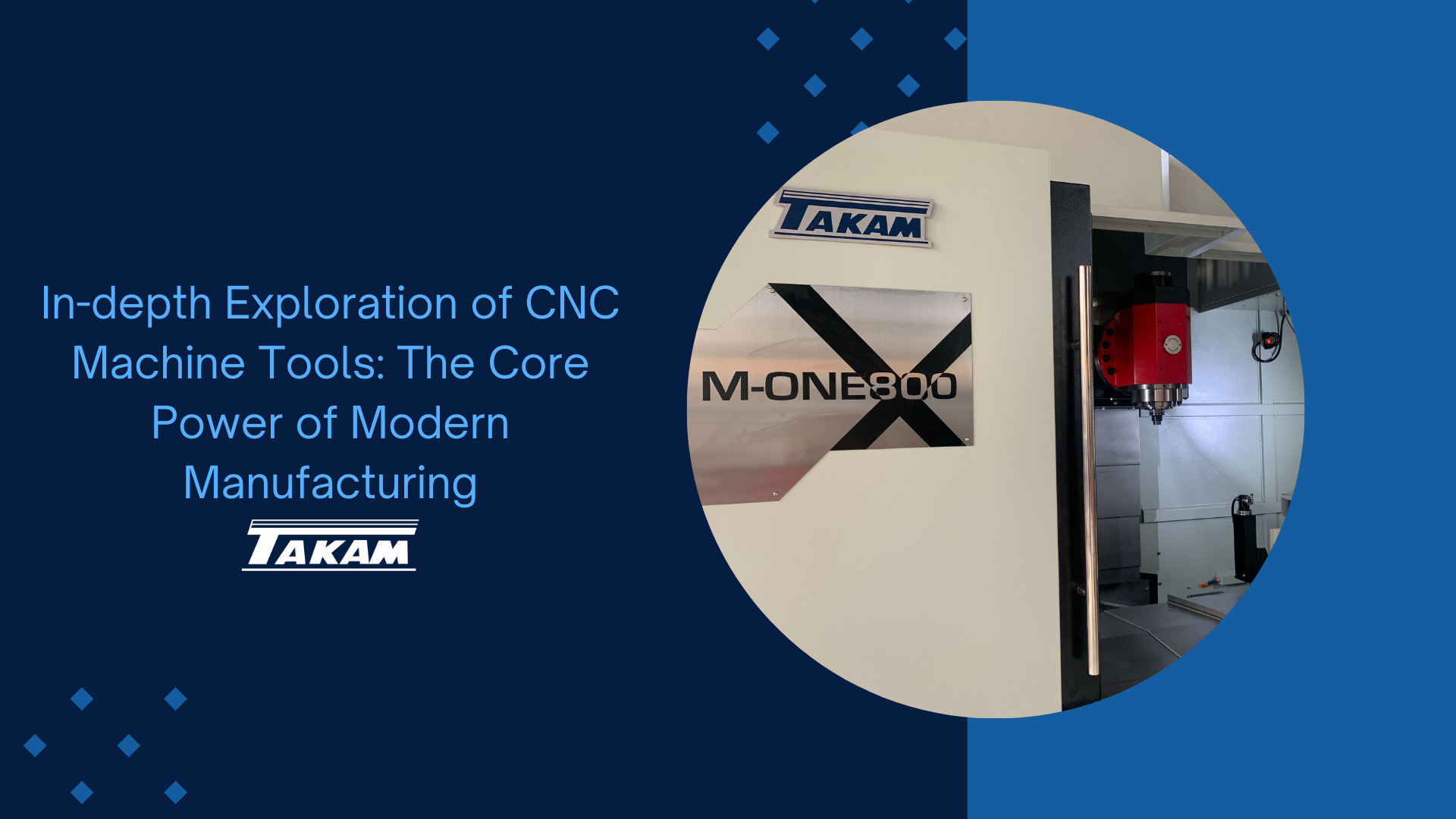
In today’s highly automated manufacturing landscape, CNC (Computer Numerical Control) machine tools have become an indispensable core force. With precise digital control and advanced automation capabilities, CNC machines ensure efficiency, accuracy, and repeatability, meeting the stringent demands of modern production. These machines encompass various equipment such as CNC lathes, milling machines, vertical and horizontal machining centers, and multi-functional machines, making them powerful assets for enhancing competitiveness in the manufacturing industry.
1. Evolution of CNC Machine Tools
The development of CNC machine tools dates back to the mid-20th century when mechanical engineers began transforming manual machine tools into digital control devices. Early CNC systems relied on punched cards for program control, and as digital technology progressed, modern CNC machines now utilize precision servo motors, encoders, and advanced software.
2. Advantages of CNC Machine Tools in Modern Manufacturing
The benefits of CNC machine tools in manufacturing are manifold. Key advantages include:
- Precision and Accuracy: CNC machines deliver exceptional precision, achieving tight tolerances that are difficult to attain manually. This precision reduces waste and ensures consistent quality in mass production.
- High Efficiency and Productivity: CNC machines operate continuously and with minimal manual intervention, leading to higher production rates. Automated tool changes and programmed sequences further reduce downtime, optimizing the entire production workflow.
- Flexibility and Versatility: CNC programming enables machines to switch between complex operations, supporting various production needs. From simple cuts to intricate designs, CNC machine tools can handle a wide range of tasks.
- Reduced Labor Costs: CNC automation minimizes the need for skilled manual operators, reducing labor costs and freeing up human resources for more complex decision-making tasks.
3. Types of CNC Machine Tools
In modern manufacturing, a wide range of CNC machine tools is employed, including:
- CNC Lathes: Specialized in rotating workpieces, CNC lathes perform tasks such as turning, threading, and drilling, ideal for producing cylindrical components.
- CNC Milling Machines: These machines use rotating cutting tools to shape materials, allowing for complex designs and multidimensional components.
- Machining Centers (Vertical & Horizontal): These versatile machines combine milling, drilling, and tapping operations in one setup. Vertical machining centers (VMCs) and horizontal machining centers (HMCs) cater to different production requirements, with HMCs excelling in the production of larger, more complex parts.
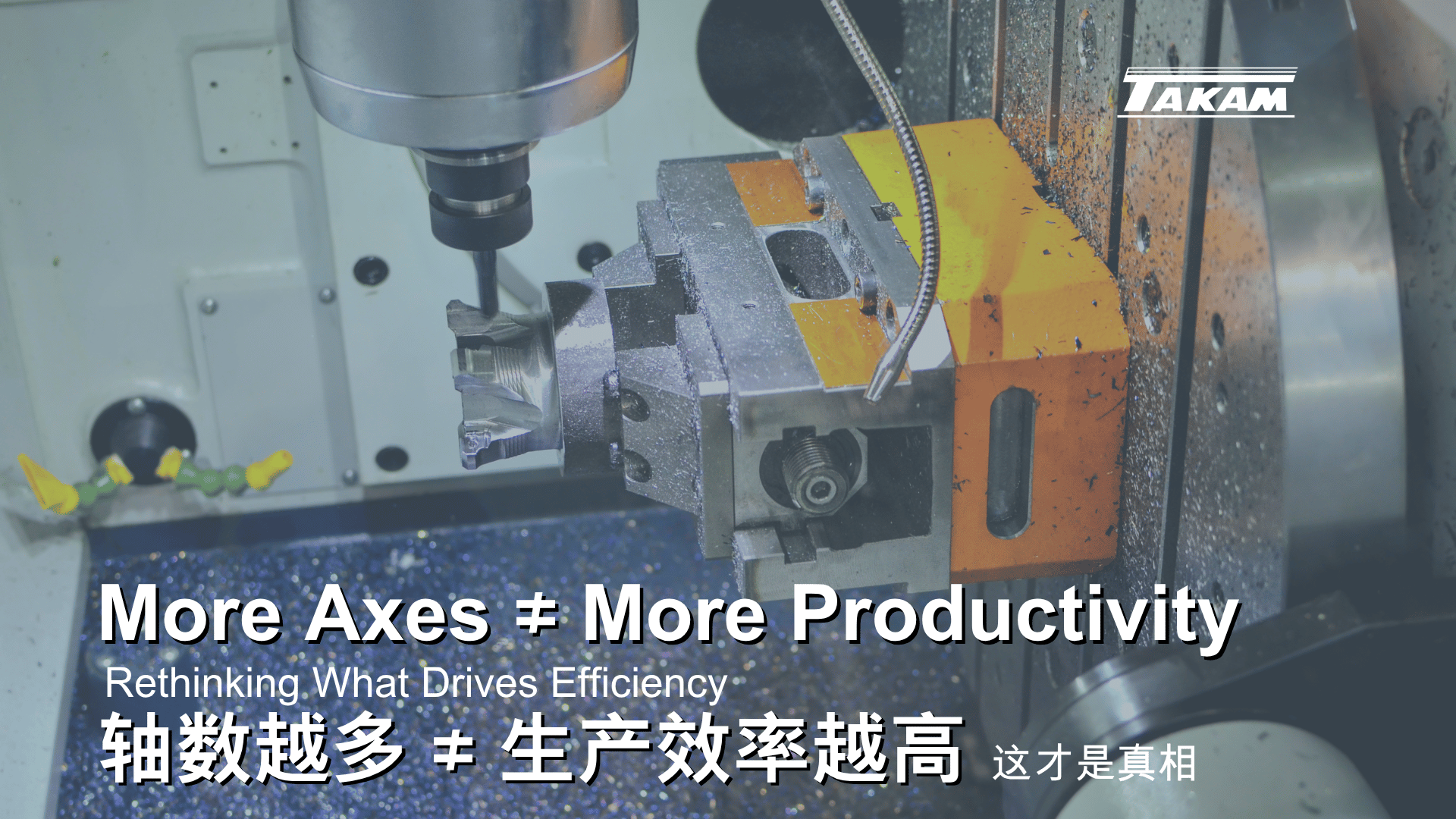
- Multi-axis CNC Machines: Equipped with additional rotational axes, these machines enable the creation of intricate parts without multiple setups, saving time and enhancing part accuracy.
4. The Future of CNC Machine Tools
With the integration of artificial intelligence, IoT (Internet of Things), and big data, the future of CNC machine tools looks promising. Predictive maintenance, remote monitoring, and real-time data analytics are reshaping manufacturing by enabling data-driven decision-making, reducing downtime, and increasing operational efficiency.
CNC machine tools continue to evolve, becoming smarter, more efficient, and more responsive to the ever-changing needs of the manufacturing sector. As modern manufacturing advances, CNC technology will remain at the heart of innovation, empowering industries worldwide with precision, speed, and unmatched versatility.
Maximizing CNC Machine Performance: The Essential Role of Automatic Lubricators
Comprehensive Analysis of CNC Machine Tool Applications: From Automotive to Aerospace