CNC Machine Tool Applications: From Machining to Multi-Tasking Machining Centers
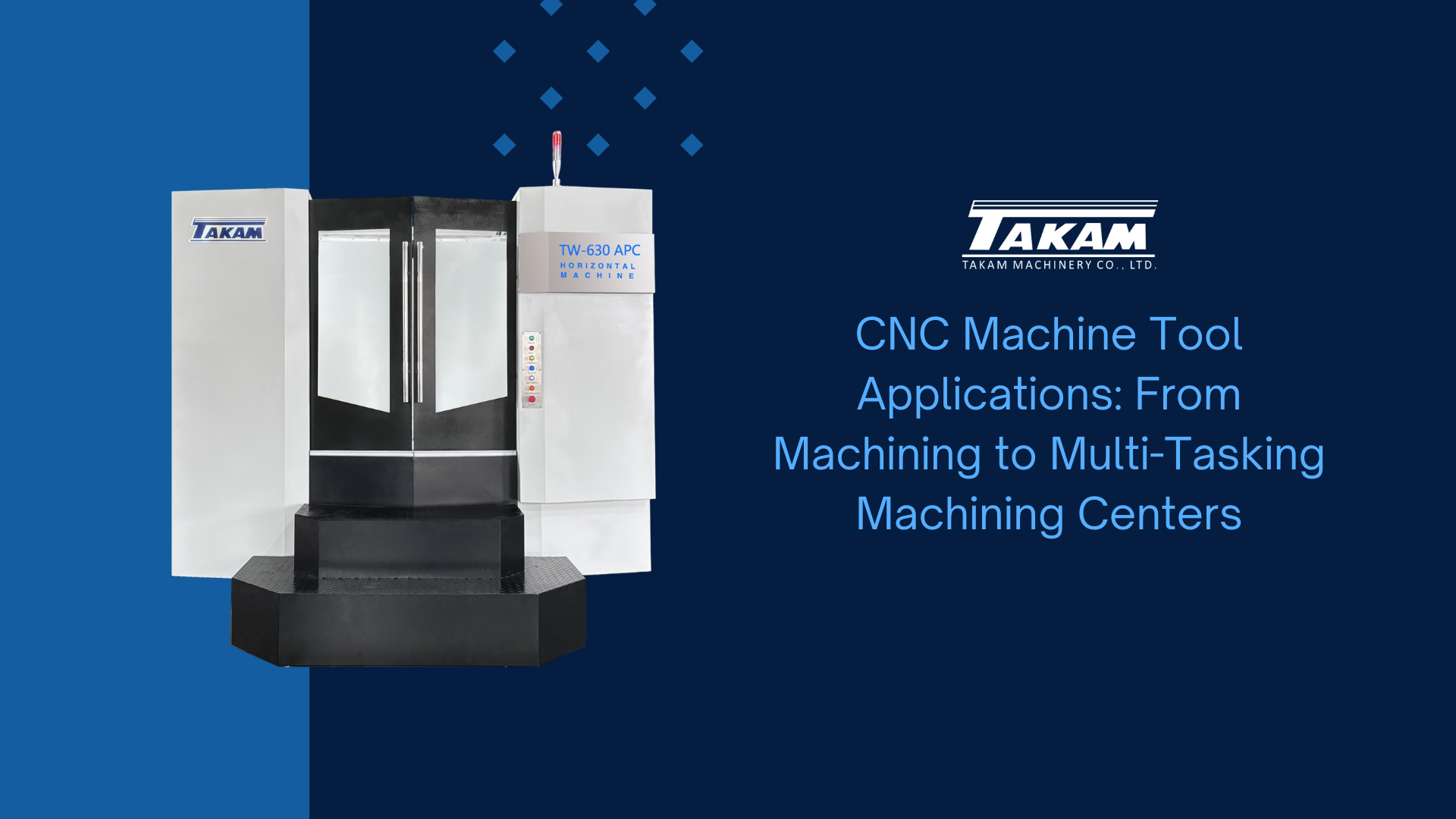
As manufacturing technology continues to evolve, CNC (Computer Numerical Control) machine tools have progressed from traditional single-process machining to versatile, multi-functional machining centers. This shift has significantly boosted production efficiency, reduced material handling, and provided manufacturers with flexible solutions for complex component production. In this article, we’ll explore how CNC technology has advanced and the advantages of multi-tasking machining centers across various industries.
1. The Evolution of CNC Machining: From Single Process to Multi-Tasking
Traditional CNC machine tools were designed to perform specific functions, such as milling, drilling, or turning. While highly effective in precision machining, these machines required multiple setups and transitions between different workstations to complete complex parts, leading to increased time, labor, and risk of error.
Multi-tasking machining centers integrate various processes within a single setup, including milling, turning, drilling, and even grinding. This evolution enables manufacturers to handle complex geometries and high-precision requirements with fewer steps and reduced handling time, creating a streamlined workflow that is ideal for high-mix, low-volume production environments.
2. Key Benefits of Multi-Tasking Machining Centers
The shift from traditional CNC machines to multi-tasking machining centers offers several advantages:
- Enhanced Efficiency: By combining multiple processes in one machine, multi-tasking centers reduce setup time and eliminate the need for multiple fixtures. This results in faster production cycles, enabling manufacturers to meet tight deadlines and reduce lead times.
- Improved Precision and Consistency: Multi-tasking centers minimize human intervention and workpiece repositioning, leading to higher accuracy. Since the part remains in a single fixture throughout different operations, errors associated with re-clamping or alignment are reduced, ensuring consistent quality across parts.
- Cost Savings: Multi-tasking machines allow manufacturers to produce parts in a single cycle, reducing labor costs associated with transporting materials between workstations. This efficiency also decreases energy consumption and tooling costs, resulting in significant cost savings over time.
- Increased Flexibility: Multi-tasking machining centers are ideal for complex, high-precision parts that require diverse machining operations. Their versatility enables manufacturers to quickly adapt to changes in production requirements, making them suitable for a wide range of industries, from automotive to aerospace.
3. Applications Across Industries
Multi-tasking CNC machining centers are now a cornerstone in many industries due to their adaptability and efficiency.
- Automotive Industry: In automotive manufacturing, multi-tasking centers are essential for producing engine parts, transmission components, and other critical parts with complex geometries. They allow manufacturers to handle high-precision, high-volume tasks with shorter cycle times, ensuring that parts meet stringent quality standards.
- Aerospace Industry: Aerospace components often require intricate designs and precision machining. Multi-tasking centers can produce complex parts, such as turbine blades and structural components, with exacting accuracy and surface finish, meeting the aerospace industry’s demanding requirements.
- Medical Device Manufacturing: Medical devices, such as implants and surgical tools, demand precision and consistency. Multi-tasking machining centers are capable of producing small, intricate parts with high accuracy, making them an ideal choice for the medical sector where quality and reliability are paramount.
- Electronics Industry: Multi-tasking centers are used in the electronics industry for the production of intricate components like connectors, housings, and casings. The machines’ ability to handle multiple processes in one setup helps meet the industry’s high standards for precision and detail.
4. The Future of Multi-Tasking CNC Machining Centers
As industries continue to embrace Industry 4.0, the future of multi-tasking machining centers will be driven by smart technology and increased automation. Key trends include:
- Intelligent Control Systems: New multi-tasking CNC machines are increasingly equipped with AI-driven control systems that can optimize tool paths, monitor tool wear, and predict maintenance needs. This intelligence allows manufacturers to further enhance productivity and reduce downtime.
- Integration with Robotics and IoT: Multi-tasking machining centers will be integrated with robotic automation systems and IoT connectivity. This combination enables fully automated production lines where CNC machines communicate with other equipment in real time, enhancing operational efficiency.
- Hybrid Machining: Future machining centers may incorporate additive manufacturing capabilities, allowing manufacturers to combine both subtractive and additive processes. This hybrid approach will enable greater flexibility in producing complex, custom parts and further reduce material waste.
Conclusion
The evolution of CNC machine tools from single-process machining to multi-tasking machining centers represents a significant advancement in modern manufacturing. Multi-tasking centers offer the versatility, precision, and efficiency required for today’s complex manufacturing environments, reducing production time and enhancing quality. As technology continues to evolve, multi-tasking machining centers will remain essential in the journey toward smart, efficient, and sustainable manufacturing.
Comprehensive Analysis of CNC Machine Tool Applications: From Automotive to Aerospace
Mastering Drilling Techniques with CNC Machine Tools