Grease vs. Oil-Air: Choosing the Right Spindle Lubrication
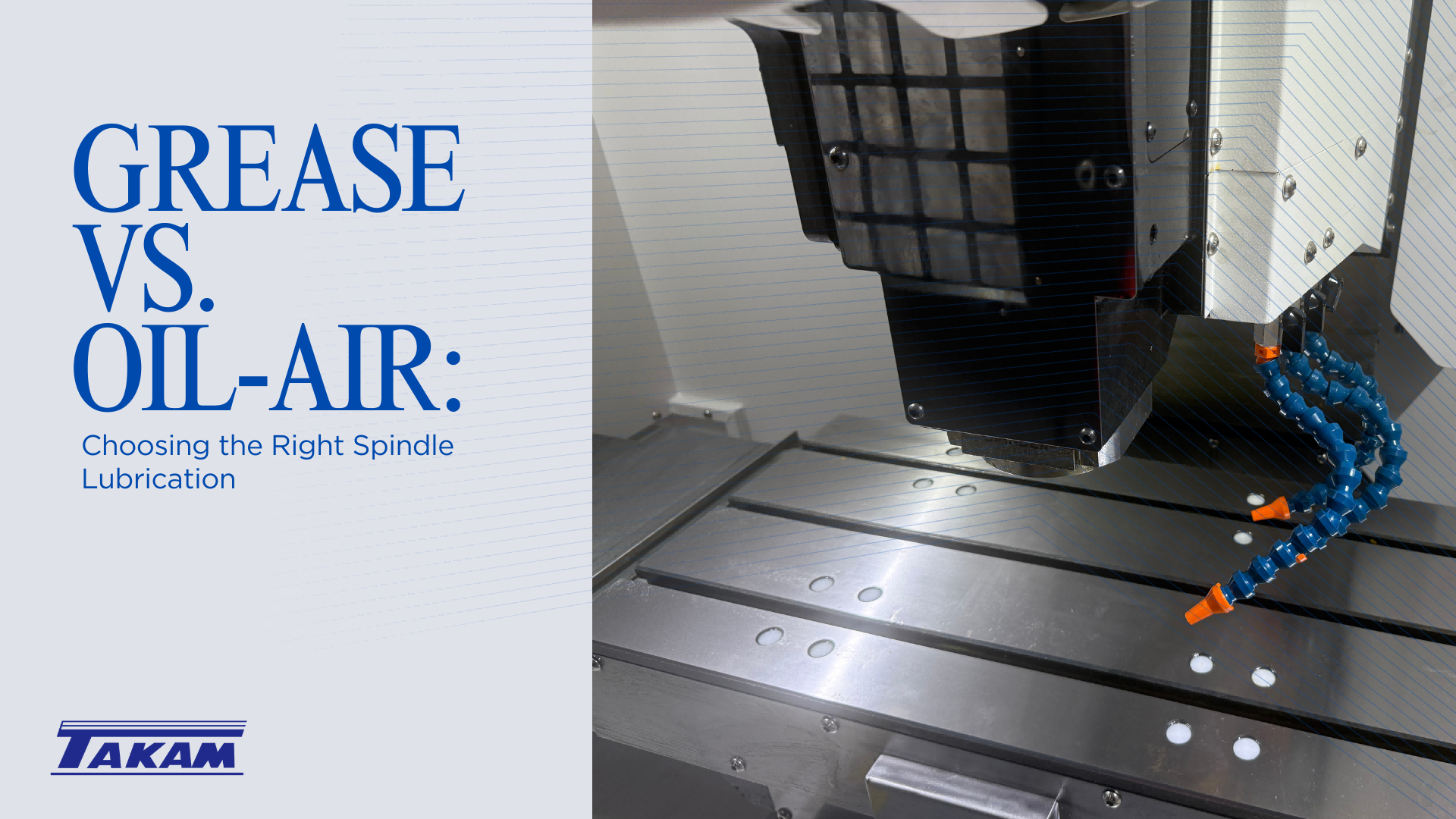
Spindle lubrication plays a crucial role in the performance, reliability, and lifespan of CNC machines. Proper lubrication minimizes friction, reduces wear, and ensures smooth operation of the spindle at high speeds. There are three common lubrication methods used in modern CNC spindle systems: grease lubrication, oil-air lubrication, and oil-mist lubrication. Each method has its own advantages, limitations, and impact on machine operation.
1. Grease Lubrication
Overview:
Grease lubrication uses high-viscosity lubricants that are packed into the spindle bearing area. This method is relatively simple and maintenance-free for long periods.
Advantages:
-
Simple design, no external lubrication system required
-
Lower initial cost
-
Minimal contamination risk
-
Long maintenance intervals
Disadvantages:
-
Heat dissipation is less effective
-
Limited suitability for very high-speed spindles
-
Once the grease deteriorates, the entire bearing may need replacement
Impact:
Grease-lubricated spindles are ideal for medium-speed applications where reliability and low maintenance are key. However, at very high speeds, heat buildup can reduce bearing life.
2. Oil-Air Lubrication
Overview:
Oil-air lubrication delivers small, controlled amounts of oil suspended in compressed air directly to the spindle bearings. This method is common in high-speed spindle designs.
Advantages:
-
Excellent cooling and lubrication at high speeds
-
Continuous supply ensures stable performance
-
Longer bearing life
-
Cleaner operation compared to oil mist
Disadvantages:
-
More complex system design
-
Requires regular maintenance of oil supply and air filtration
-
Higher initial and operating cost
Impact:
Oil-air lubrication is well-suited for high-speed machining centers where thermal stability and precision are critical. It helps maintain consistent spindle temperature and reduces the risk of bearing damage during long cycles.
3. Oil-Mist Lubrication
Overview:
This method involves mixing oil with compressed air to form a fine mist that lubricates the spindle bearings.
Advantages:
-
Effective at cooling and lubrication
-
Suitable for high-speed applications
-
Adjustable mist quantity based on conditions
Disadvantages:
-
Environmental and health concerns due to oil mist exposure
-
Higher consumption of oil
-
May require mist collectors or exhaust systems
Impact:
Oil-mist systems offer good lubrication performance but are becoming less common due to health and environmental concerns. They are being replaced by oil-air systems in many modern machine tools.
Conclusion
Choosing the right spindle lubrication method depends on the spindle speed, machine usage, and maintenance preferences.
-
Grease is best for low to mid-speed machines with low maintenance needs.
-
Oil-air is ideal for high-speed, high-precision applications.
-
Oil-mist, while effective, is gradually being phased out due to environmental concerns.
Understanding these methods helps manufacturers select the most suitable system for their machines, reducing downtime and extending spindle life.
Vertical Machining Centers and Tapping Centers: Technological Upgrades and the Latest Trends
Small Part, Big Impact: How Power Filters Affect CNC Performance