Small Part, Big Impact: How Power Filters Affect CNC Performance
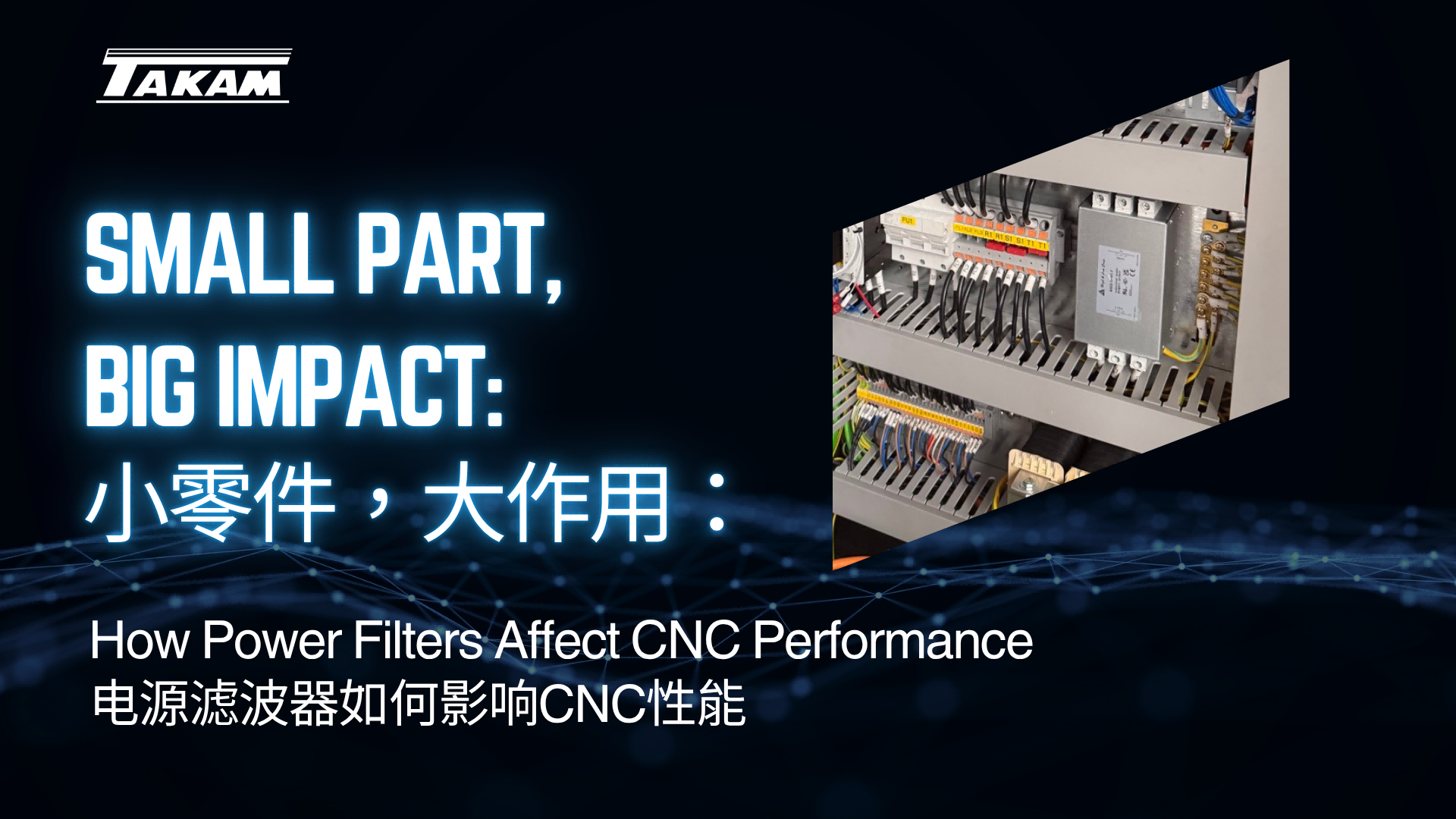
In CNC machines, the power filter is a small but critical component that ensures the machine operates reliably. Its job is to block out electromagnetic interference (EMI) and radio frequency interference (RFI) from the power supply.
Why Are Power Filters Important in CNC?
-
Preventing control system interference
CNC controllers are sensitive. Even small power disturbances can cause errors, alarms, or unexpected shutdowns. -
Improving machining accuracy
A power filter reduces electrical noise, which helps servo motors and communication signals work more consistently and precisely. -
Protecting internal components
Continuous EMI exposure wears out electronic parts faster. Power filters reduce this wear and help extend the system’s service life.
Where Are Power Filters Installed?
Power filters are usually mounted inside the machine’s electrical cabinet, right after the main power switch. This allows the filter to clean the power before it enters the control systems.
Common Types of CNC Power Filters
-
Single-phase filters – for smaller CNC machines
-
Three-phase filters – for machining centers and larger systems
-
High-performance EMI filters – for sensitive applications or high-precision needs
When Should You Replace a Filter?
-
If the machine frequently shows alarms or reboots
-
If servo motors behave erratically (e.g., shaking or drifting)
-
If the filter is over 3–5 years old
-
If the filter is physically damaged or overheating
Conclusion
A power filter may not be the most visible part of a CNC machine, but it plays a vital behind-the-scenes role. By filtering out harmful electrical noise, it helps ensure the stability, accuracy, and longevity of your CNC equipment.
Grease vs. Oil-Air: Choosing the Right Spindle Lubrication
Are You Using the Right Chip Conveyor?