From 3-Axis to 5-Axis: The Evolution and Challenges of Manufacturing Technology

The manufacturing industry is undergoing a transformative phase marked by intelligent and highly complex production demands. The evolution of CNC machining technology, especially the transition from 3-axis to 5-axis machining centers, represents a leap forward in manufacturing capability and reflects the growing market demand for high precision, efficiency, and versatility.
Background and Significance of Technological Evolution
3-axis machining centers form the foundation of CNC machining, relying on linear movements along the X, Y, and Z axes to perform cutting operations. Their strengths lie in their straightforward structure, easier programming, and relatively low cost, making them suitable for flat or simple curved parts. However, sectors such as aerospace, automotive, and medical devices increasingly require machining of complex freeform surfaces, angled features, and deep cavities, exposing the limitations of 3-axis machining in terms of both efficiency and precision.
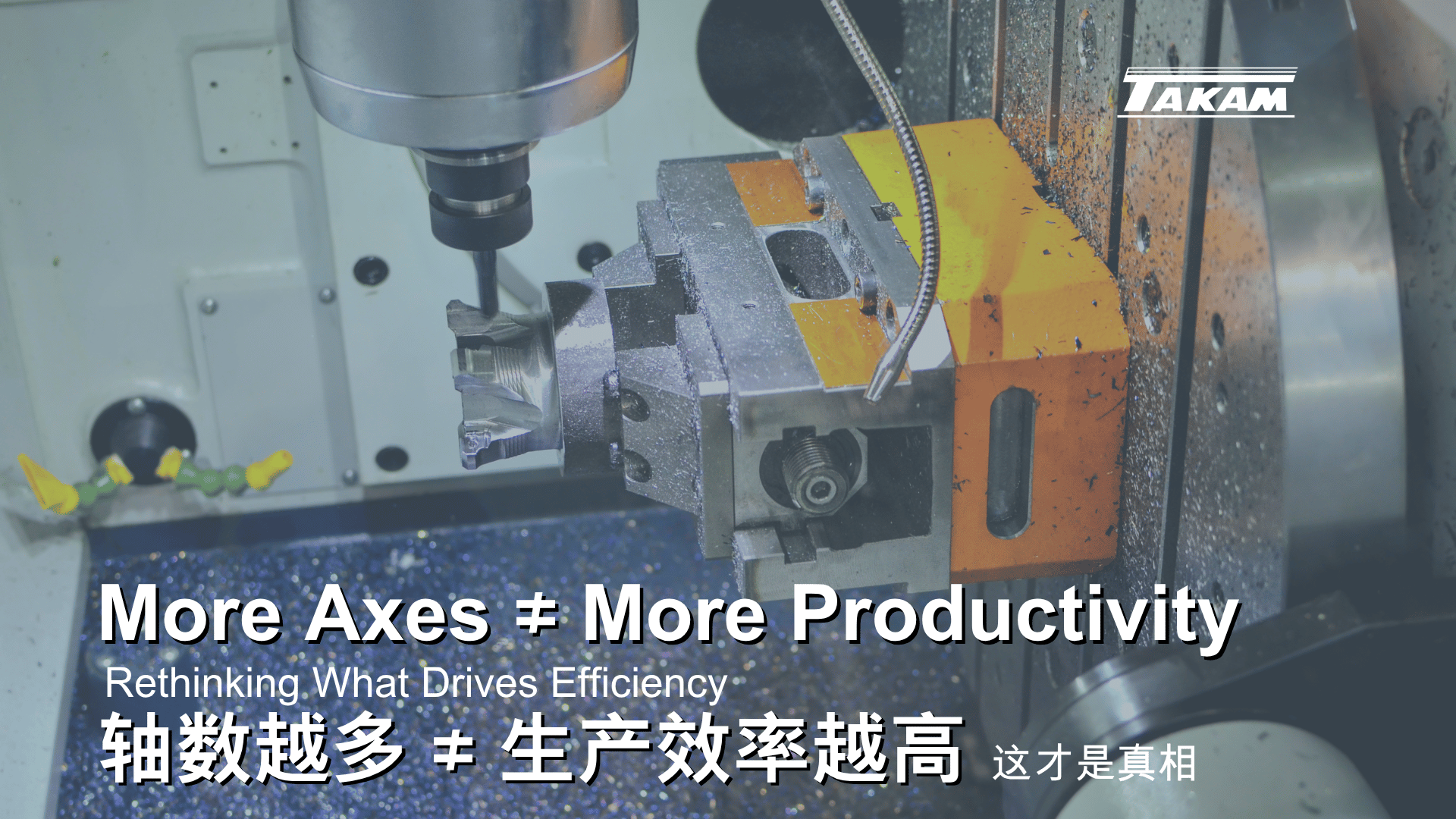
5-axis machining centers add two rotational axes (commonly A and C or B axes), enabling the cutting tool to approach the workpiece from virtually any angle. This enhanced degree of freedom significantly broadens machining capabilities, allowing high-precision finishing of complex surfaces, improving surface quality, and minimizing errors caused by multiple re-fixturing.
Technical Challenges of 5-Axis Machining
-
Programming Complexity
Toolpath planning for 5-axis machining involves sophisticated multi-axis synchronization and collision avoidance. Manual programming is highly challenging, necessitating advanced CAM software and skilled programmers to create efficient and safe machining strategies. -
Machine Rigidity and Precision Control
The added rotational axes increase mechanical complexity, posing challenges in machine dynamic response and rigidity. Insufficient rigidity can lead to vibrations and deformations during machining, negatively impacting dimensional accuracy and surface finish. -
High Capital and Maintenance Costs
5-axis machines require substantial initial investment and rigorous maintenance. Technologies such as error compensation, real-time dynamic monitoring, and thermal deformation control are essential to maintain machining accuracy. -
Process Parameter Optimization
Machining complex geometries demands precise optimization of cutting speeds, feed rates, tool paths, and cooling methods to prevent overheating and tool wear, thereby extending tool life and maximizing productivity.
Future Trends in 5-Axis Machining
The integration of smart manufacturing, digital twins, and AI technologies will drive further automation and intelligence in 5-axis machining. Future machines will feature real-time monitoring, automatic tool compensation, and adaptive cutting capabilities, enhancing stability and precision.
Moreover, combining 5-axis machining with additive manufacturing and advanced composites processing will enable production of even more complex parts, meeting stringent requirements in aerospace, medical implants, and renewable energy sectors.
Conclusion
The evolution from 3-axis to 5-axis machining epitomizes the drive toward industrial intelligence and advanced manufacturing. Enterprises should prioritize deep integration of 5-axis technologies, invest in talent development, and acquire cutting-edge equipment to address increasingly complex market demands, strengthening their competitive edge and fostering continuous innovation.
Hot Trouble: What Happens When Your Control Cabinet Overheats
The Shift in Machining Logic: Between 3-Axis and 5-Axis