The Shift in Machining Logic: Between 3-Axis and 5-Axis
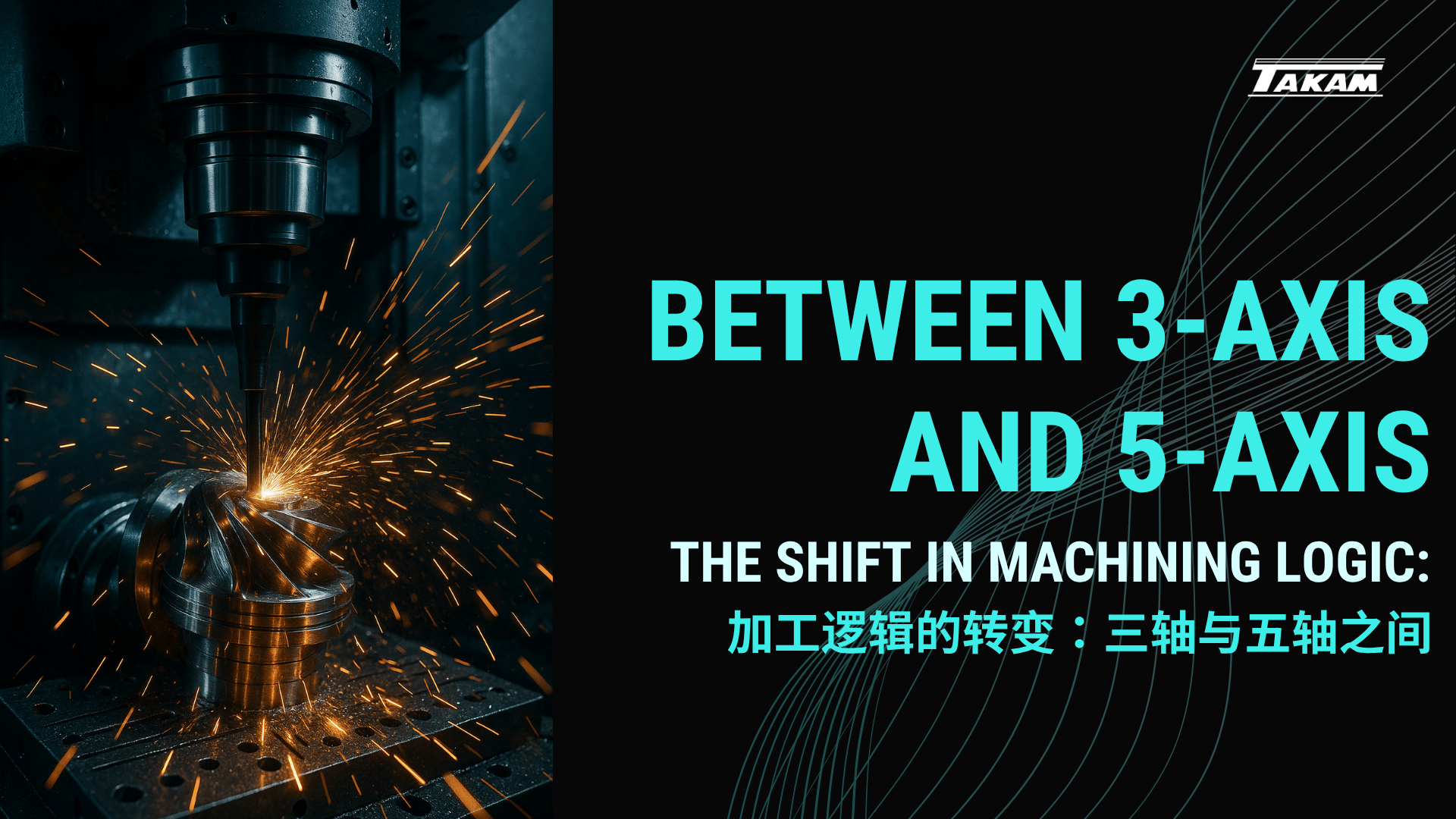
In the world of CNC machining, the terms “three-axis” and “five-axis” are often compared. But if you've worked with both, you'll know that the difference goes far beyond the number of axes—it represents a shift in strategy, capability, and mindset.
Let’s explore the real differences between these two methods, and why it matters in modern manufacturing.
The Limit of "Top-Down" Thinking
Three-axis machining is the most traditional and widely used method. The spindle moves in X, Y, and Z directions, making it highly effective for flat surfaces, profiles, and hole-making operations. It's efficient, reliable, and proven.
However, its limitation is clear: the tool can only approach the workpiece from a single direction. When parts require features on multiple sides, angled cuts, or curved surfaces, multiple setups, repositioning, or custom fixtures are often necessary. Each change introduces potential errors and consumes valuable time.
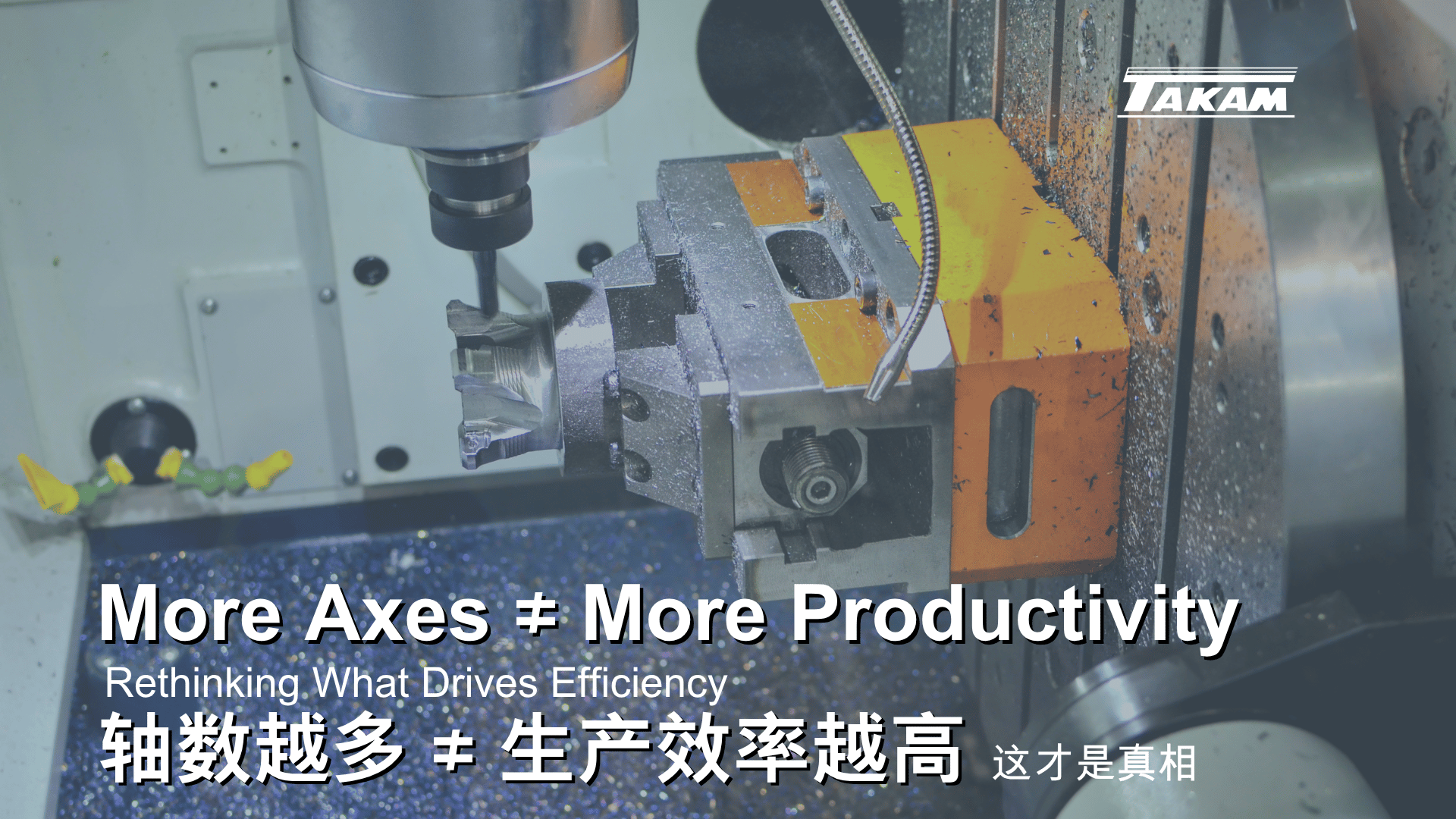
Why Five-Axis Is Not Just More—It's Smarter
By adding two rotary axes to the three linear ones, five-axis machining allows the tool to approach the part from almost any direction. This unlocks several powerful advantages:
- One setup, full access. Complex geometries can be machined in a single clamping, improving precision and reducing setup time.
- Better tool angles. The tool can maintain the ideal cutting angle, reducing vibration and wear.
- Shorter cycle times. No need to stop the machine for re-fixturing—just program and go.
In short, five-axis doesn’t just add capability—it transforms what’s possible.
The Real Question: Do You Need It?
Many hesitate at the price of five-axis machines. And yes, the equipment, software, and training do cost more. But the better question is: Does your product demand it?
If you’re machining flat parts at scale, three-axis machines still offer the best cost-efficiency. But if you’re tackling complex surfaces, tight tolerances, or multi-face operations, the limitations of three-axis will eventually become a bottleneck.
That’s when five-axis becomes a strategic investment, not a luxury.
It’s Not a Battle—It’s Balance
In real-world production, the most advanced shops don’t just replace three-axis machines—they use both. Three-axis is ideal for high-speed, high-volume basics. Five-axis steps in where complexity begins.
In other words, it’s not about which is better, but about choosing the right tool for the right job.
To sum it up: Three-axis machining is the foundation. Five-axis machining is the future when complexity demands it. The key is knowing what problem you’re solving.
From 3-Axis to 5-Axis: The Evolution and Challenges of Manufacturing Technology
Can One Machine Really Do It All? The Power of TMT400 5-Axis Turn-Mill Center