Losing Time on Simple Tasks? Let the Right Machine Do the Job!
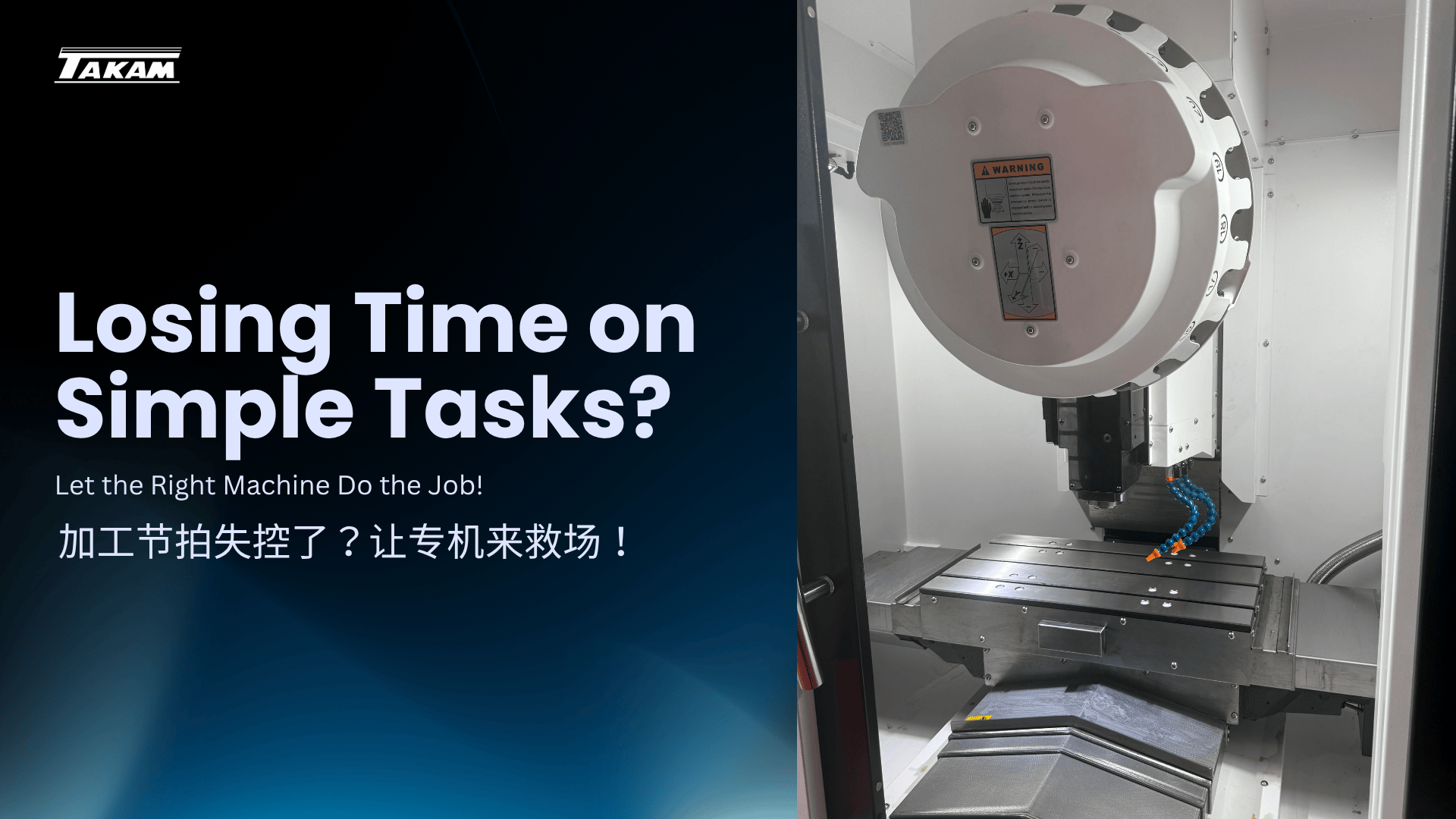
In many machine shops, we often see high-end vertical machining centers, 5-face machines, or even 5-axis machines being used for relatively simple and repetitive operations like drilling or tapping. This kind of “overkill” reflects a deeper issue in production planning — the lack of rhythm and process segmentation.
Why does this happen?
For many small and medium-sized enterprises, general-purpose machines seem flexible enough to handle various jobs. However, when faced with high-volume and standardized operations, this flexibility can actually become an obstacle. Large machines take up space, have longer tool change times, and slower cutting cycles, ultimately disrupting the production rhythm.
The Role of Dedicated Machines: Bringing Rhythm Back
Instead of letting general-purpose machines handle everything, it’s often more efficient to assign repetitive tasks to specialized machines. For example, tapping and drilling centers are specifically built for high-speed, high-volume operations. They offer faster tool changes, quicker spindle response, and shorter cycle times — freeing up valuable capacity on your main machines.
When Is It Time to Invest in a Dedicated Machine?
You may need to consider a dedicated machine if:
- High-end machines are being used for basic, repetitive tasks
- Changeover times are too long and affect production pace
- You have high-repeatability, standardized operations
- Main machines are underutilized, but bottlenecks occur at tapping/drilling stages
Introducing a dedicated machine is not just an equipment upgrade — it’s a strategy to bring discipline and control to your production flow. It enables you to adapt more flexibly to product variety and shorter lead times.
Conclusion
The core of machining efficiency is not only about what your equipment can do, but also about who does it best. Dedicated machines don’t mean less flexibility — they bring balance and rhythm to your line. When each machine plays its proper role, your production becomes smarter, more organized, and ready for modern manufacturing demands.
Is Your 5-Axis Machining Strategy Holding You Back? Think Structure, Not Just Speed.
Less Waste, More Efficiency: The Environmental Case for 5-Axis Machining