Automation Solves the Talent Gap

The global manufacturing industry is undergoing one of the most significant transitions in its history. While demand for high-quality products continues to grow, manufacturers are facing a severe shortage of skilled labor. This “talent gap” affects factories in nearly every country, from high-tech industrial hubs to emerging manufacturing regions. As older workers retire and fewer young people enter technical fields, companies are struggling to maintain productivity, efficiency, and quality.
However, the rise of automation — including CNC technology, robotics, intelligent software, and data-driven systems — is transforming this challenge into an opportunity. Not only does automation help fill the labor gap, but it also leads to safer workplaces, more consistent output, and greater competitiveness. In this article, we explore why the talent gap exists, how it impacts the industry, and how automation provides sustainable solutions.
1. Why the Manufacturing Talent Gap Exists
1.1 Aging Workforce
Many experienced machinists, technicians, and engineers belong to an aging generation. As they retire, their expertise leaves with them. Younger workers often lack the same level of hands-on experience, creating a widening skills gap year after year.
1.2 Declining Interest in Technical Jobs
Manufacturing jobs have long been misunderstood as “dirty, repetitive, and physically demanding.” Although modern factories are clean, automated, and high-tech, the outdated perception discourages students from pursuing careers in this field.
1.3 Rapidly Evolving Technology
Technology in manufacturing — especially CNC machinery, CAD/CAM software, and automation — evolves faster than training systems can keep up. Schools struggle to update equipment, and many companies lack the time or resources to continuously train existing workers.
1.4 Competition Across Industries
Manufacturing now competes with IT, electronics, and service industries for talent. For many young professionals, programming or software development appears more attractive than traditional machining roles. This shift further reduces the number of potential manufacturing workers.
2. How the Talent Gap Impacts Manufacturers
2.1 Lower Productivity
Fewer workers means machines remain idle, production slows down, and lead times increase. This directly affects revenue and customer satisfaction.
2.2 Higher Labor Costs
Skilled workers are in short supply, which drives wages up. Companies must pay more to recruit and retain experienced machinists.
2.3 Quality Inconsistency
Insufficient training and inexperienced operators increase the likelihood of errors, rework, and scrap — all of which reduce profitability.
2.4 Competitive Pressure
Global competition is fierce. Companies that cannot meet quality standards, delivery deadlines, or cost targets risk losing customers to more automated factories.
3. Automation: The Practical Solution to the Talent Gap
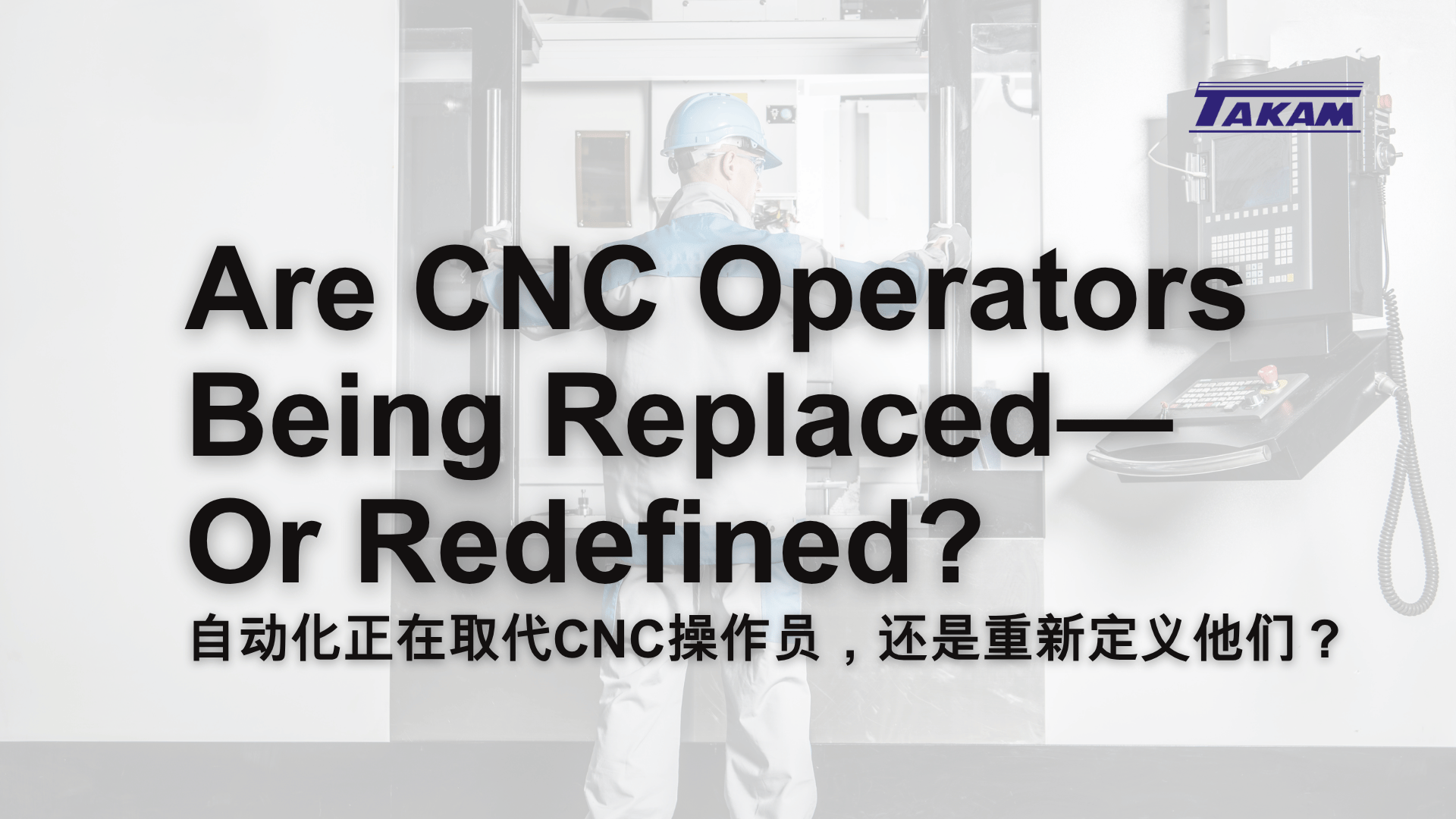
Automation in manufacturing doesn’t simply replace people — it enables factories to operate more efficiently with fewer personnel while elevating the roles of existing workers. Here’s how.
3.1 CNC Automation and Multi-Axis Machining
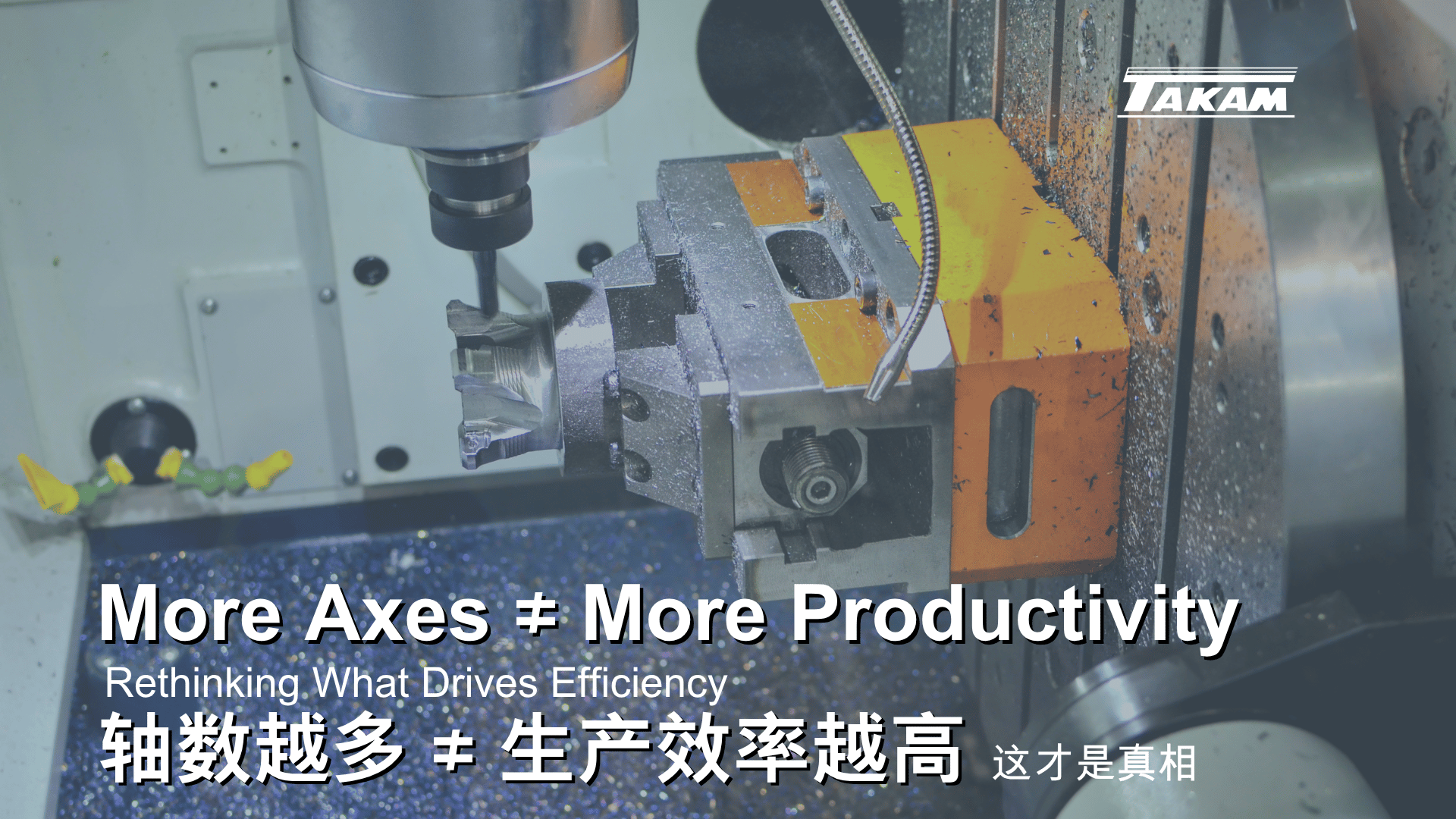
Modern CNC machines offer high precision, programmable operations, and intelligent safety features. Machines such as horizontal machining centers (HMCs), gantry machining systems, and 5-axis machining centers reduce manual intervention, allowing operators to handle more machines at once.
Automation benefits include:
-
Reduced human error
-
Lower skill requirement for basic operation
-
Faster cycle times
-
Consistency across shifts
-
Greater machining complexity without additional labor
Instead of relying on manual skill, automation relies on repeatable, software-driven processes.
3.2 Robotic Arms and Automated Material Handling
One of the most labor-intensive tasks in machining is loading and unloading parts. Robotic arms solve this by performing repetitive tasks tirelessly and accurately.
Advantages:
-
24/7 production
-
Improved safety by removing humans from hazardous tasks
-
Faster transitions between jobs
-
Reduced physical injury risks
Robots do not replace machinists — they free machinists to focus on programming, setup, and inspection.
3.3 Automated Pallet Changers (APC Systems)
For companies with high-mix or continuous production needs, APC-equipped machining centers dramatically increase uptime. While one pallet is being machined, the operator can prepare the next setup offline. This allows a single operator to manage multiple machines.
Benefits:
-
Nearly continuous spindle cutting time
-
Higher output with fewer workers
-
Faster product changeovers
-
Better planning and scheduling flexibility
APC systems let companies do more with the same manpower.
3.4 Smart Factory Software and Data Automation
Digitization is another powerful tool. Modern factories use:
-
MES (Manufacturing Execution Systems)
-
ERP integration
-
Real-time machine monitoring
-
Predictive maintenance
-
AI-optimized workflows
These systems reduce administrative workload and help decision-makers respond faster to production issues. With automation, even inexperienced staff can oversee complex operations.
3.5 Training Through Simulation and Digital Twin Technology
Automation doesn’t eliminate the need for skilled workers — it changes the way they learn.
Virtual simulation allows new operators to practice machining without risk. Digital twin systems help them understand machine movements, tool paths, and collision avoidance in a safe environment.
This shortens the training cycle and builds confidence more quickly.
4. The New Role of Human Workers
Automation does not mean replacing humans. Instead, it elevates them into new roles.
4.1 From Operator to Technician
Workers shift from manual tasks to:
-
Machine programming
-
Quality inspection
-
Maintenance and troubleshooting
-
Process optimization
4.2 Higher Efficiency and Job Satisfaction
With machines taking over repetitive tasks, workers can focus on problem-solving and decision-making — tasks that are more fulfilling and valuable.
4.3 Attracting the Next Generation
Modern, automated factories appeal more to younger talent who prefer technology-driven work environments.
5. How Companies Can Leverage Automation Effectively
5.1 Start with High-Impact Areas
Tasks involving heavy labor, repetitive motion, or long cycle times are prime candidates for automation.
5.2 Build a Skilled Cross-Functional Team
Even with automation, knowledgeable staff are essential. Train workers to manage multiple machines and use digital tools.
5.3 Choose Scalable Automation
Modular solutions — like APC systems, robotic arms, or 5-axis upgrades — allow factories to expand gradually without major capital investment.
5.4 Partner with Technology-Driven Machine Tool Suppliers
Machine builders with strong automation expertise provide:
-
Advanced CNC solutions
-
Application consulting
-
Long-term service support
-
Integration guidance
Good partners accelerate automation success.
Conclusion
The manufacturing talent gap is real, persistent, and global. But automation offers a powerful path forward. CNC technology, robotics, APC systems, and smart factory software not only compensate for workforce shortages but also unlock new levels of productivity and competitiveness.
Manufacturers who embrace automation are better positioned to meet future challenges, attract new talent, and maintain a stable, high-quality production environment. While people remain at the heart of the industry, automation is the force that empowers them to do more — and to build the factories of tomorrow.
The True Value of After-Sales Service: Beyond the Machine
CNC Downtime Solutions: Maintenance & Prediction