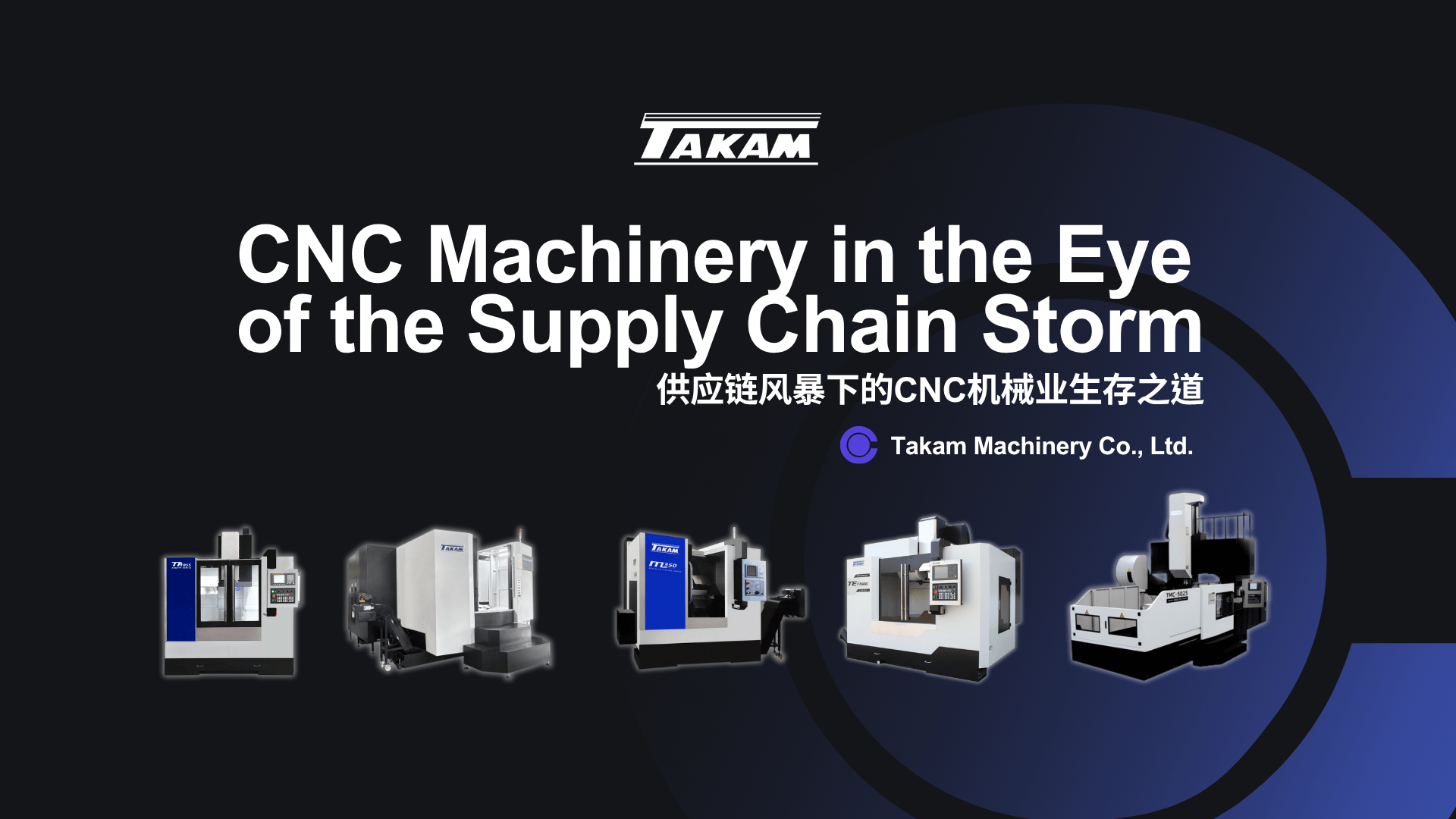
CNC Machinery in the Eye of the Supply Chain Storm
In recent years, the global supply chain has experienced unprecedented turbulence. Rising trade tensions, recurring global pandemics, and escalating geopolitical risks have exposed the vulnerabilities of supply chains. As a backbone of manufacturing, the CNC machinery industry is deeply affected, facing multi-level and multi-dimensional challenges.
1. Raw Material and Component Supply Tightness with Soaring Costs
Key materials such as steel, alloys, and precision electronic components essential for CNC machine manufacturing have experienced significant price volatility. For example, global steel capacity constraints have driven prices upward dramatically; chip shortages have affected automation control systems, extending procurement lead times and raising costs. Rising raw material costs squeeze manufacturers' profit margins and push up final product prices, impacting market competitiveness.
2. Trade Policy Uncertainty Drives Industrial Chain Restructuring
With rising protectionism, tariff barriers and export restrictions have become frequent. Supply chain disruption risks for certain key components have increased significantly, compelling manufacturers to reconsider geographic distribution and diversification of their supply chains. Some companies have adopted nearshoring or reshoring strategies to mitigate international trade risks. While this trend enhances supply chain resilience through regionalization and localization, it also brings cost and technology transfer challenges.
3. Logistics Bottlenecks and Rising Transportation Costs
Port congestions, container shortages, and soaring freight rates have become the new normal globally. CNC machines are bulky and require careful handling, so transportation delays directly impact customer production schedules. Coordination difficulties between upstream and downstream supply chain partners have increased, disrupting production rhythms. Consequently, companies raise inventory levels as buffers, increasing capital pressure.
4. Digital Supply Chain Management as a Key to Resilience
In a complex and volatile environment, digital supply chain management is crucial for enhancing CNC machinery industry’s risk resistance. Leveraging IoT sensors to collect data across the supply chain, combined with big data analytics and AI forecasting, companies can monitor real-time supply chain status and dynamically adjust operations. Building digital twin models of the supply chain enables simulation of various risk scenarios and proactive contingency planning, mitigating the impact of disruptions.
5. Green Supply Chain Management Leads Sustainable Development
Environmental pressures and regulatory policies push industrial upgrades. The CNC machinery industry is focusing on green manufacturing, not only improving equipment energy efficiency and emissions reduction but also implementing environmentally friendly procurement and waste recycling in the supply chain. Building green supply chains responds to global environmental trends and helps enhance brand reputation and access international markets.
6. Challenges in Talent Development and Supply Chain Management Capabilities
As supply chains become more complex, the demand for managers and technical talents with cross-disciplinary knowledge increases. Developing professionals skilled in both technology and supply chain management has become a bottleneck for sustainable industry development. Enterprises need to establish comprehensive training systems, promote industry-academic-research collaboration, and strengthen talent reserves.
7. Future Outlook: Building Resilient, Intelligent, and Green Supply Chain Ecosystems
In the future, CNC machinery supply chain management will become smarter and more flexible. Integration of 5G, cloud computing, and blockchain technologies will enable end-to-end transparency and traceability of the supply chain. Collaborative innovation and ecosystem building within the industrial chain will become key to competitiveness. Only by continuously enhancing supply chain resilience and adaptability can the CNC machinery industry maintain an undefeated position in the global arena.
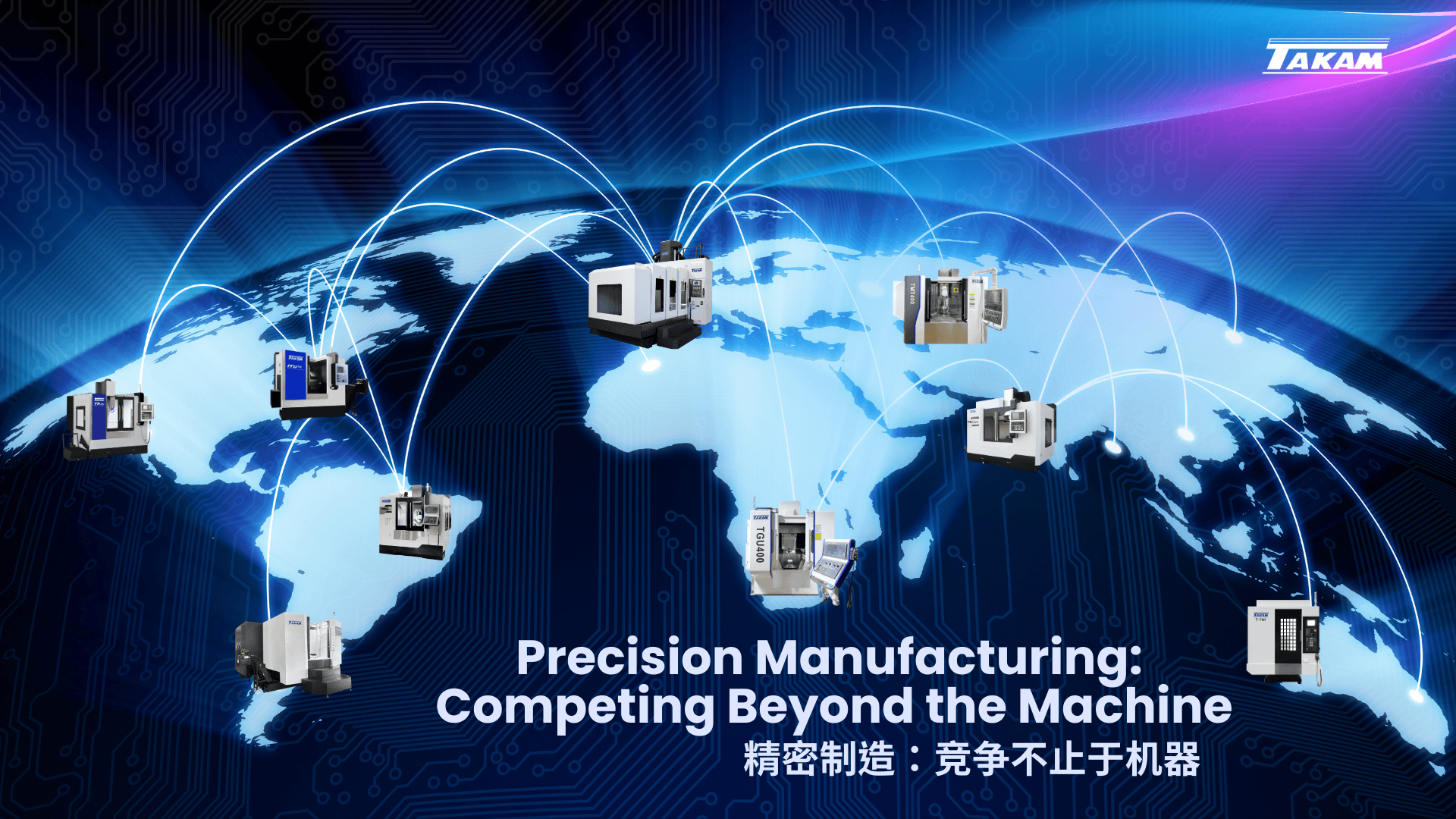
Precision Manufacturing: Competing Beyond the Machine
The Core Value of CNC Machine Accuracy