Precision technology for metal processing
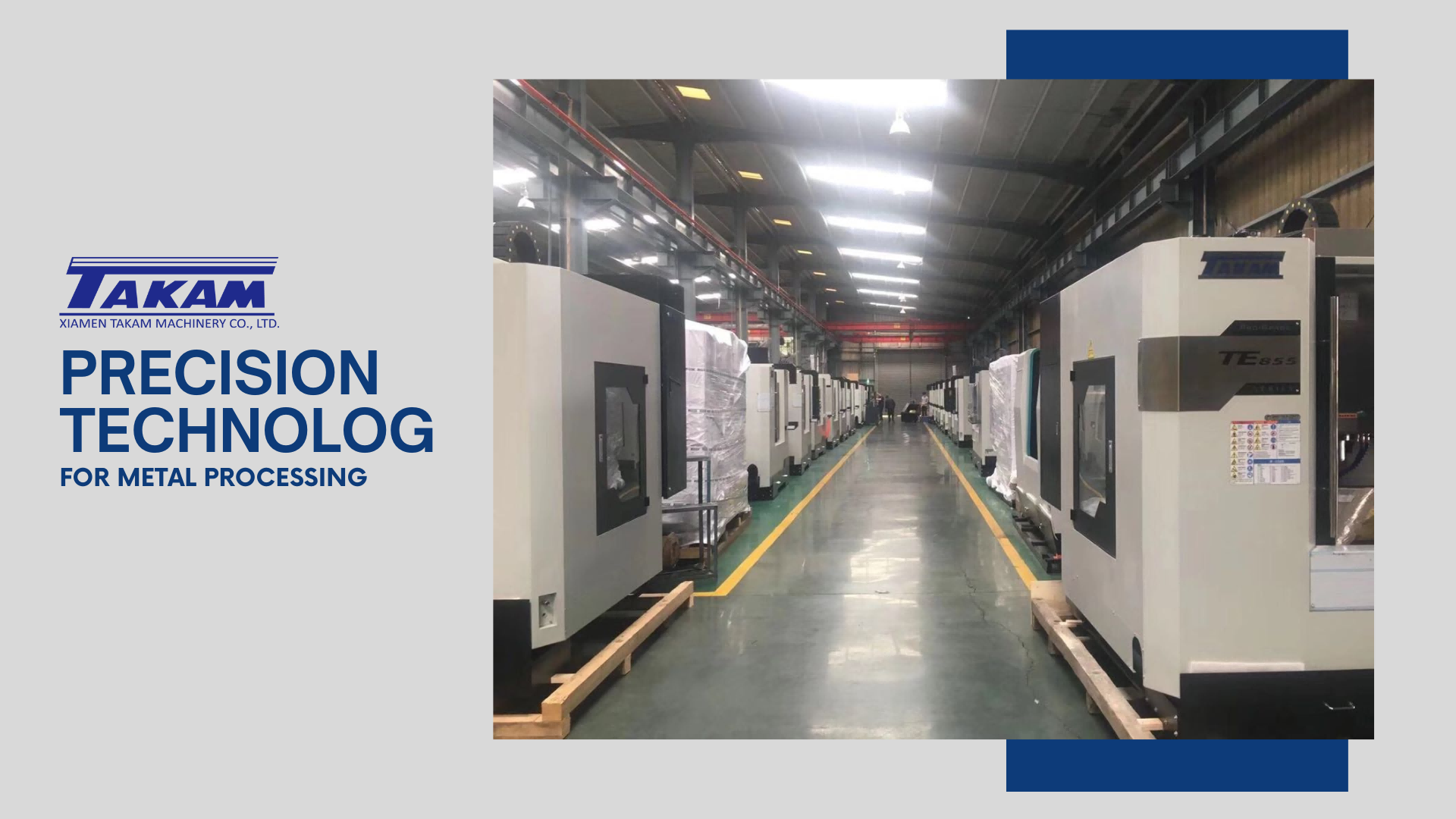
Precision technology for metal processing refers to advanced techniques and equipment used to achieve high levels of accuracy, consistency, and quality in manufacturing metal components. These technologies enable precise shaping, cutting, machining, and finishing of metal parts, often with tight tolerances and complex geometries. Some key precision technologies for metal processing include:
Computer Numerical Control (CNC) Machining: CNC machining involves using computer-controlled machines such as mills, lathes, and machining centers to precisely remove material from metal workpieces. CNC machines offer high accuracy, repeatability, and the ability to produce complex shapes and features.
High-Precision Grinding: Grinding processes, including surface grinding, cylindrical grinding, and centerless grinding, are used to achieve precise dimensions, surface finish, and geometric accuracy in metal parts. Advanced grinding machines equipped with CNC controls and high-resolution measuring systems ensure tight tolerances and excellent surface quality.
Electrical Discharge Machining (EDM): EDM uses electrical discharges to remove material from conductive workpieces. This non-contact machining process is ideal for producing intricate shapes and features with micron-level accuracy, making it suitable for tool and die manufacturing and precision component production.
Laser Cutting and Welding: Laser technology offers high precision and flexibility in metal cutting and welding applications. Laser cutting machines can cut through metal sheets with narrow kerf widths and minimal heat-affected zones, while laser welding systems provide precise, clean welds with minimal distortion.
Waterjet Cutting: Waterjet cutting utilizes a high-pressure jet of water mixed with abrasive particles to precisely cut through metal and other materials. Waterjet technology is capable of cutting intricate shapes with sharp corners and minimal material waste, making it suitable for various metal processing applications.
Coordinate Measuring Machines (CMMs): CMMs are precision measurement devices used to verify the dimensional accuracy and geometric tolerances of machined metal parts. Equipped with advanced probing systems and software, CMMs perform accurate 3D measurements and inspections to ensure compliance with design specifications.
Advanced Metrology and Inspection Systems: Advanced metrology systems, such as optical profilometers, 3D scanners, and white light interferometers, provide precise measurements of surface roughness, form, and dimensional accuracy in metal components. These systems enable comprehensive quality control and process optimization in metal processing.
Additive Manufacturing (3D Printing): Additive manufacturing technologies, such as selective laser melting (SLM) and direct metal laser sintering (DMLS), build metal parts layer by layer from digital designs. 3D printing offers design freedom, rapid prototyping, and the ability to produce complex metal components with precise geometries.
By leveraging these precision technologies, manufacturers can achieve exceptional levels of accuracy, quality, and efficiency in metal processing, leading to improved product performance, reduced lead times, and enhanced competitiveness in the global marketplace.
How important is milling machine processing?
The history of metal processing