The Real Reason Modern CNC Machines Look Different
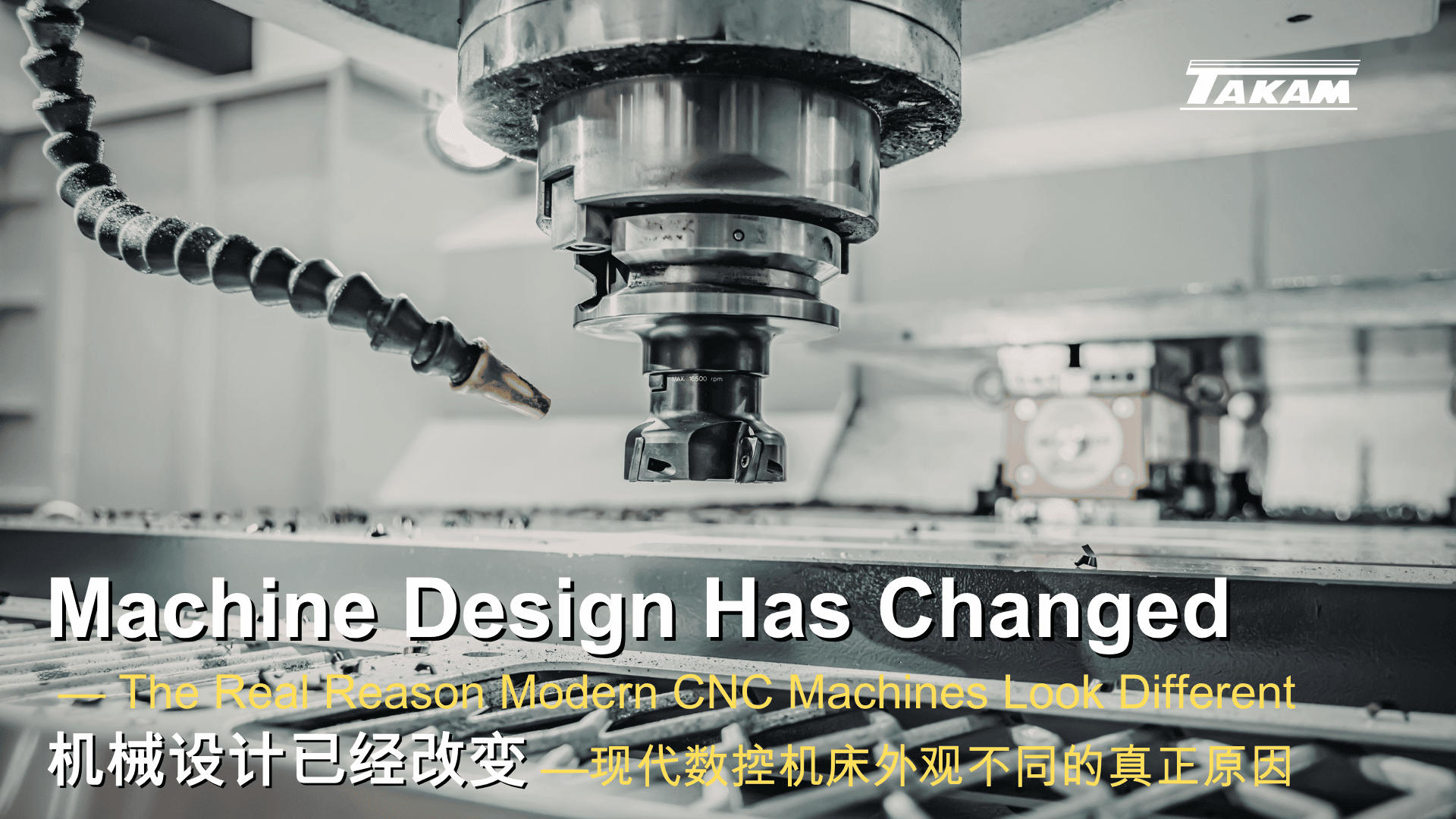
Modern manufacturing is changing rapidly.
For decades, CNC machines were mainly designed around one thing: helping operators machine parts more efficiently. Productivity still mattered, of course, but production environments relied heavily on human involvement. Operators loaded workpieces, adjusted offsets, removed chips, checked dimensions, and monitored machines throughout the day.
Today, manufacturing looks very different.
Labor shortages, rising production costs, shorter delivery times, and increasing quality expectations are forcing manufacturers to rethink how factories operate. Across industries such as automotive, aerospace, medical, electronics, and precision engineering, companies are moving toward automation not only to increase output, but also to maintain stability and competitiveness.
And because of this shift, CNC machine design itself has evolved.
Modern CNC machines are no longer built only for cutting metal.
They are built for automation.
Automation Is No Longer Optional
In the past, automation was often seen as something only large factories could afford.
Today, that is no longer true.
Even medium-sized and smaller manufacturers are investing in automation systems such as:
- Robotic loading and unloading
- Bar feeders
- Automatic pallet changers
- Gantry systems
- Tool monitoring systems
- Smart factory integration
The reason is simple:
Manufacturers need machines that can run longer, faster, and more consistently with less human intervention.
Modern production is increasingly focused on unattended machining, overnight production, and continuous operation.
A machine that depends heavily on constant operator involvement limits productivity.
That is why automation-friendly machine design has become a major priority.
Machine Structure Matters More Than Ever
When people talk about automation, they often focus on robots or software.
But the foundation of automation starts with the machine itself.
A poorly designed machine will struggle in automated environments, no matter how advanced the external system may be.
Modern CNC machines are designed with automation in mind from the very beginning.
For example:
Slant Bed Structures
Slant bed CNC lathes became popular partly because they improve chip evacuation.
In automated production, chips cannot be allowed to accumulate around tooling or workpieces. Without operators constantly cleaning the machine, poor chip control can quickly lead to alarms, tool breakage, or unstable machining.
A slant bed structure allows gravity to help remove chips naturally, improving reliability during long production cycles.
Compact and Accessible Layouts
Automation systems require space efficiency and easy access.
Modern machine layouts are designed to integrate smoothly with robots, gantry loaders, bar feeders, and automatic part handling systems.
Machine doors, loading areas, and tooling positions are now carefully designed to support faster automation movement and easier maintenance.
Thermal Stability and Rigidity
Automated production often means machines run continuously for long periods.
This places greater importance on machine rigidity and thermal stability.
Modern CNC machines are designed to minimize thermal deformation, vibration, and structural instability during long machining cycles.
Because in unattended production, consistency matters just as much as speed.
Reliability Becomes the Most Important Feature
In manual machining, an experienced operator can often compensate for small machine issues.
But in automated production, reliability becomes critical.
Even a small problem can stop an entire production line.
This is why modern CNC machine design focuses heavily on reducing unexpected interruptions.
Manufacturers now pay closer attention to:
- Stable chip evacuation
- Coolant management
- Tool life monitoring
- Lubrication systems
- Easy maintenance access
- Reliable automation interfaces
The goal is not only faster machining.
The goal is stable machining for hours — or even days — without interruption.
The Role of Smart Manufacturing
Automation today is no longer limited to robotic arms.
Modern CNC machines are becoming part of larger smart manufacturing systems.
Machines can now communicate with:
- Production management software
- Tool monitoring systems
- Quality inspection equipment
- Factory scheduling systems
- Data collection platforms
This allows manufacturers to monitor production efficiency, predict maintenance needs, reduce downtime, and optimize machining performance in real time.
Because of this, modern CNC machines are increasingly designed with digital integration capabilities built directly into the machine platform.
The machine is no longer just a standalone unit.
It is becoming part of an intelligent manufacturing ecosystem.
Automation Also Changes Customer Expectations
As automation becomes more common, customer expectations are changing as well.
Manufacturers now expect machines to provide:
- Faster setup times
- More stable repeatability
- Lower downtime
- Easier automation integration
- Longer unattended operation
This is one reason why machine tool builders are placing greater emphasis on machine ergonomics, automation compatibility, and long-term production stability.
Modern buyers are not only evaluating cutting performance.
They are evaluating how easily the machine fits into a fully automated production environment.
The Future of CNC Manufacturing
The future of machining is not simply about faster spindle speeds or larger machines.
It is about smarter production.
Machines that can run reliably with minimal intervention will define the next generation of manufacturing.
This does not mean operators will disappear.
In fact, skilled operators remain extremely important.
But their role is changing — from constant manual operation toward production management, optimization, and process control.
And machine design is evolving together with that change.
Final Thoughts
Modern CNC machines are designed for automation because manufacturing itself has changed.
Factories today demand more than machining capability alone.
They demand stability, efficiency, integration, reliability, and continuous production.
Automation is no longer an added feature.
It is becoming the foundation of modern manufacturing.
And the machines being built today reflect that reality.
#CNC #Automation #SmartManufacturing #MachineTool #Manufacturing #CNCLathe #IndustrialAutomation
The Chip Problem in CNC Machining
The Core Value of CNC Machine Accuracy