Understanding Types of Machining Center Tables
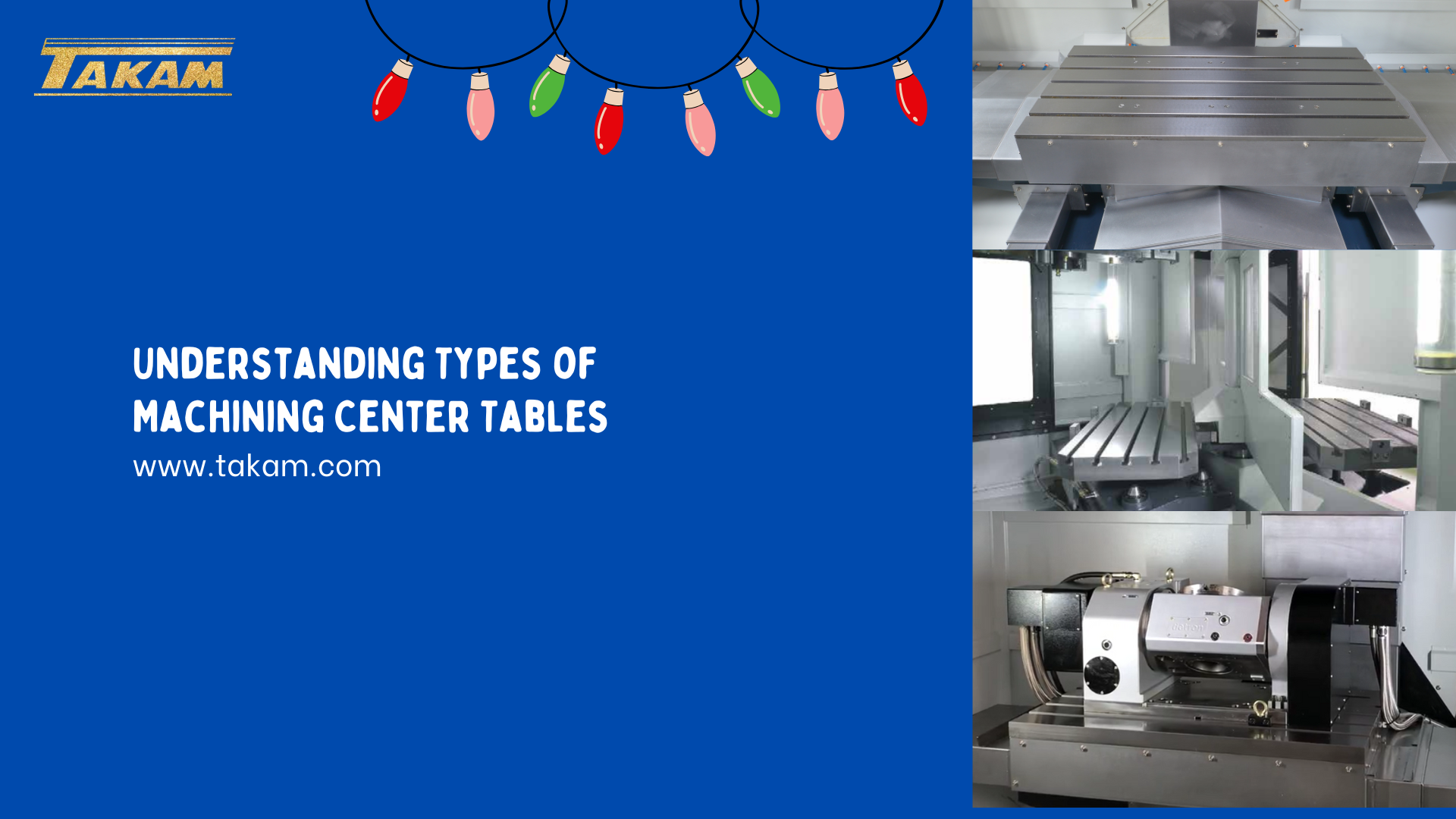
Machining centers are essential tools in modern manufacturing, offering unparalleled precision and efficiency. One critical component of these machines is the worktable, which supports and positions the workpiece during machining. Depending on the application and design, machining center tables come in various types, each with distinct advantages. Below, we explore the three most common types: rotary tables, fixed tables, and pallet exchange tables.
1. Rotary Tables
Rotary tables are a versatile addition to machining centers, enabling multi-axis operations. These tables can rotate the workpiece to various angles, making them ideal for complex geometries and parts requiring machining on multiple sides.
Advantages:
- Increased machining flexibility.
- Reduced need for re-clamping and repositioning the workpiece.
- High precision for angular cuts and contours.
Applications: Rotary tables are commonly used in industries like aerospace and automotive, where components often feature intricate designs requiring multi-axis machining.
2. Fixed Tables
Fixed tables are the simplest type of machining center worktable, providing a stable and immovable surface for machining operations. These tables are typically found in vertical machining centers and are suitable for heavy-duty tasks requiring maximum stability.
Advantages:
- High load capacity and rigidity.
- Enhanced stability for heavy workpieces.
- Straightforward setup and operation.
Applications: Fixed tables are ideal for large, heavy parts or tasks that do not require repositioning, such as machining flat surfaces or drilling.
3. Auto Pallet Changer(APC)
Auto pallet exchanger are designed to improve efficiency by minimizing downtime during part loading and unloading. These tables allow one pallet to be machined while another is prepared, effectively doubling productivity.
Advantages:
- Increased throughput with reduced idle time.
- Smooth transition between workpieces.
- Enhanced suitability for mass production.
Applications: Auto pallet exchangers are widely used in industries with high production demands, such as electronics and consumer goods manufacturing.
Conclusion
Choosing the right worktable for your machining center depends on the specific requirements of your operation. Rotary tables offer flexibility for complex parts, fixed tables provide stability for heavy-duty tasks, and pallet exchange tables optimize efficiency in high-volume production. Understanding these differences will help manufacturers select the best table type for their applications, ensuring optimal performance and productivity.
Mastering Drilling Techniques with CNC Machine Tools
The Importance of Laser & Ballbar Testing for CNC Machines